The importance of dewpoint measurement…
in Hydrogen Cooled Generators
Hydrogen‑cooled electricity generators are widely deployed in power plants because hydrogen combines exceptional thermal conductivity with very low density, enabling efficient heat removal from large generators while minimizing windage losses. Despite these advantages, trace moisture presents a critical risk to both performance and safety. Precise, dew point measurement provides the necessary visibility and control to maintain dryness, protect equipment, and ensure stable operation. This article explains why dew point measurement matters, outlines common moisture‑related issues in hydrogen cooling systems, and references applicable standards.
Hydrogen‑Cooled Generators: Why Hydrogen?
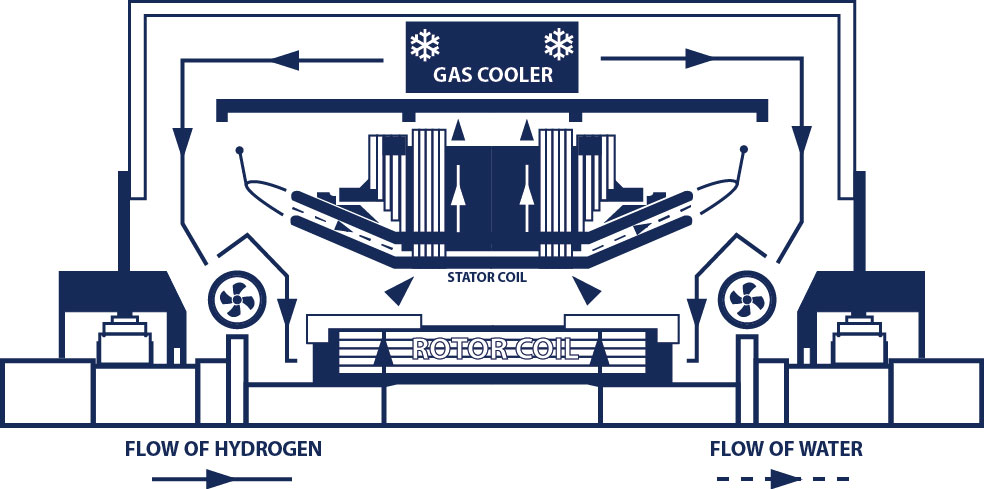
Hydrogen is the preferred cooling medium for large stationary electric generators due to a set of unique properties that collectively improve thermal management and efficiency.
Its thermal conductivity allows heat to be transferred far more effectively than dry air—up to fourteen times higher—so the generator’s temperature can be controlled with greater precision and lower energy input.
When managed correctly, hydrogen is non‑corrosive and non‑toxic, meaning it does not chemically attack generator internals and can be handled safely within established procedures and safeguards.
Moisture Problems in Hydrogen Cooling Systems
Moisture ingress into the hydrogen cooling circuit can quickly undermine system performance and introduce safety hazards. Condensed water on windings reduces insulation resistance, elevating the probability of electrical faults. The presence of water accelerates corrosion of metallic components, shortening service life and increasing maintenance demands.
Moisture also dilutes the hydrogen stream, decreasing cooling efficiency and, more critically, increasing the potential for explosive mixtures when oxygen is present. In high‑moisture conditions, the formation of hydrogen‑oxygen mixtures represents a severe safety risk, making strict control of water vapor essential for both reliability and hazard prevention.
Dew Point Measurement Solutions
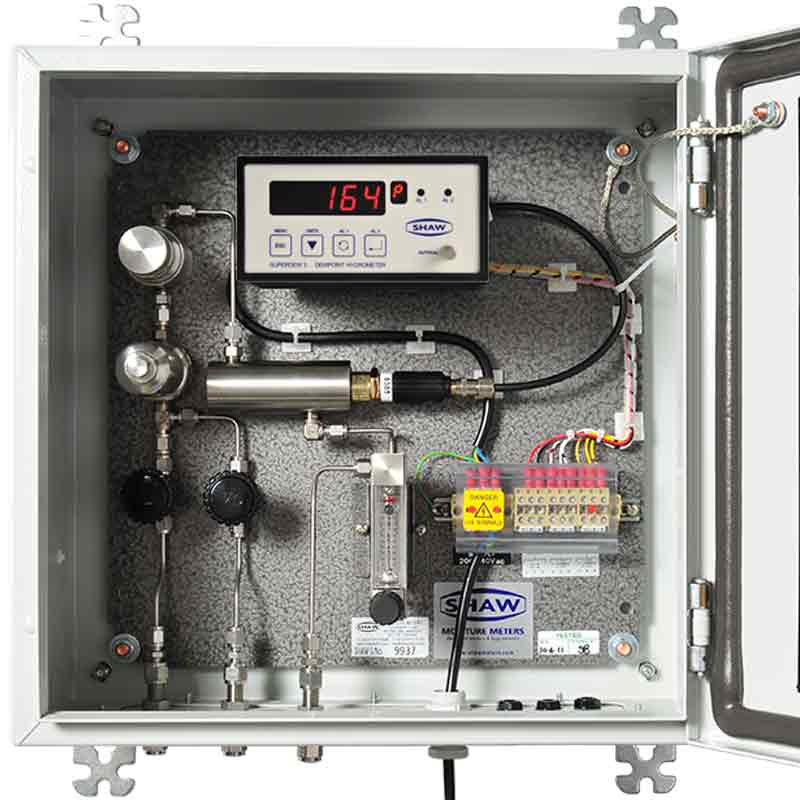
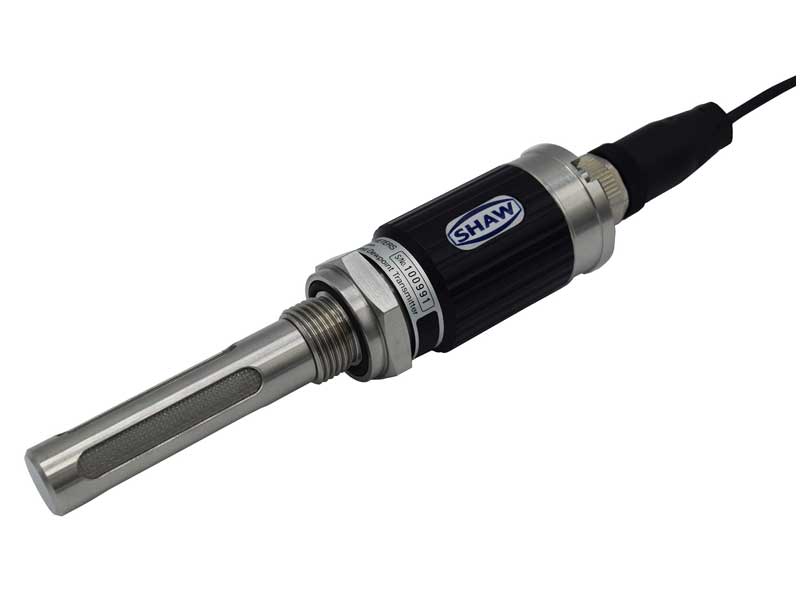
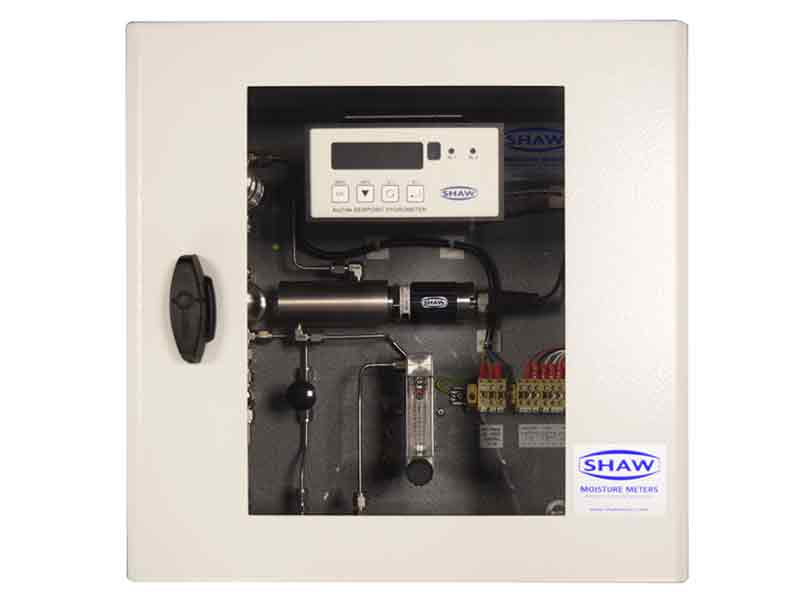
Continuous dew point measurement is central to maintaining generator reliability and safe operation. Inline dew point sensors are used to both track the performance of the drying system and measure hydrogen as it exits the generator housing in order to improve dryer efficiency, helping to reduce energy consumption and identify any potential issues.
Integrating dew point signals into the control system allows alarms to be raised or purging sequences to be initiated whenever moisture exceeds safe thresholds, turning accurate measurement into actionable control.
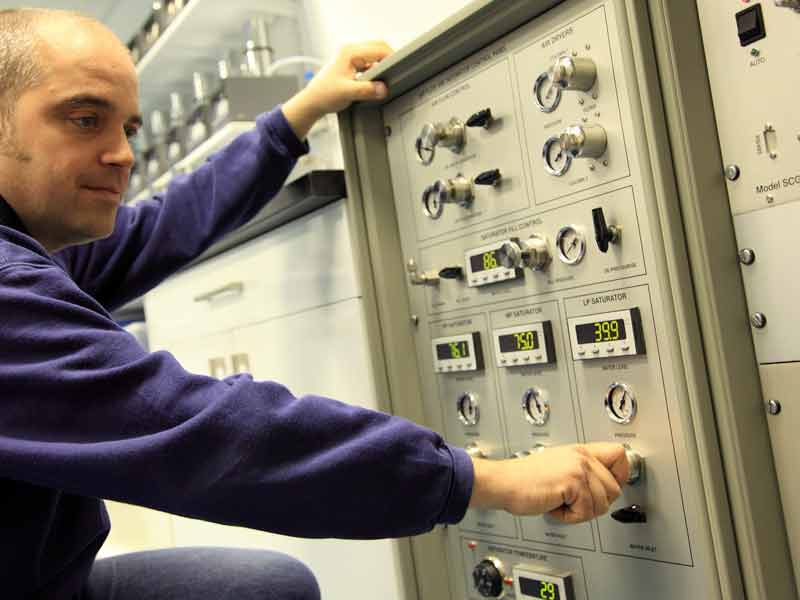
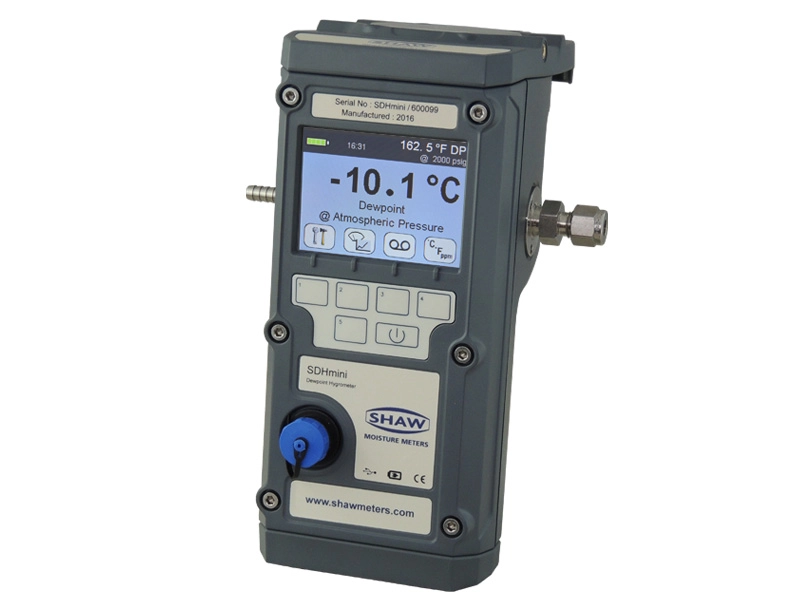
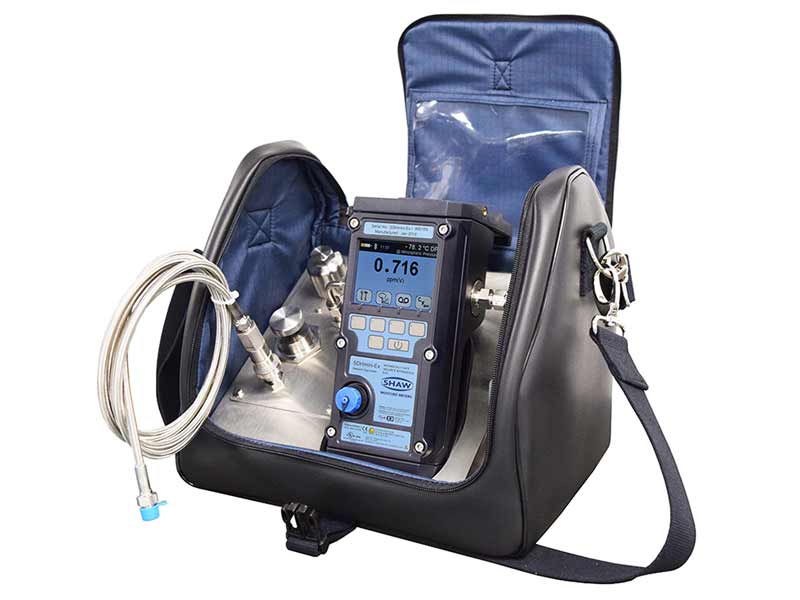
Portable dew point meters complement fixed instrumentation by enabling spot checks at critical sample points, including the hydrogen inlet and outlet, sample lines from the generator casing, and downstream of hydrogen dryers. This combination of continuous monitoring and targeted verification establishes robust oversight of moisture across the cooling process.
Applicable Standards
Best practices and compliance for hydrogen‑cooled generators and gas moisture measurement are guided by established standards. Requirements for hydrogen‑cooled synchronous generators are covered under IEEE Std C50.13.
Specific provisions for rotating electrical machines—particularly hydrogen‑cooled synchronous machines—are set out in IEC 60034‑3. For the measurement aspect, ASTM D5454 provides a standard test method for determining water vapor content in gases.
Aligning dew point monitoring programs and instrumentation with these standards supports safe operation, consistent performance, and provides traceable quality assurance.
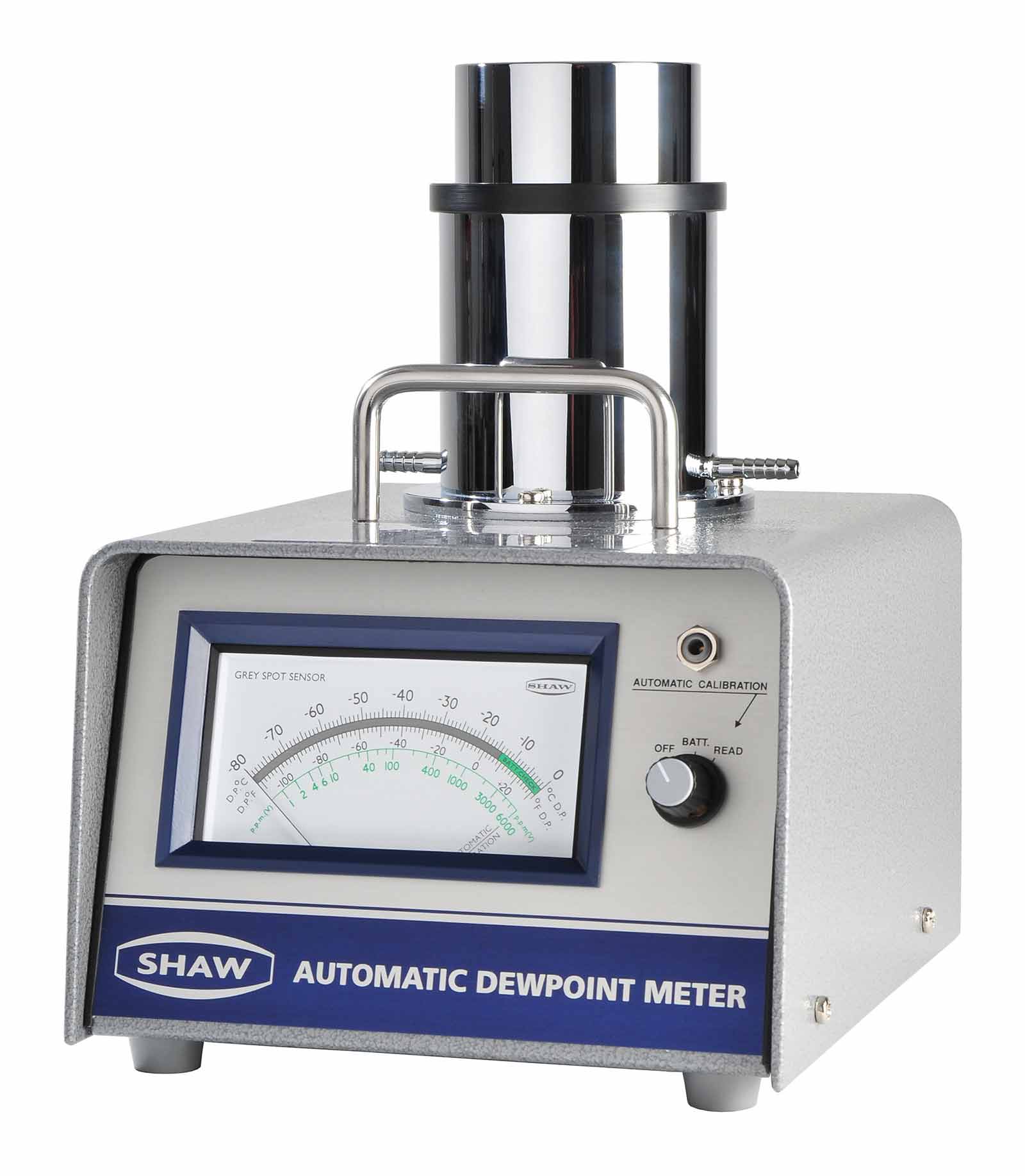
Portable Hygrometers
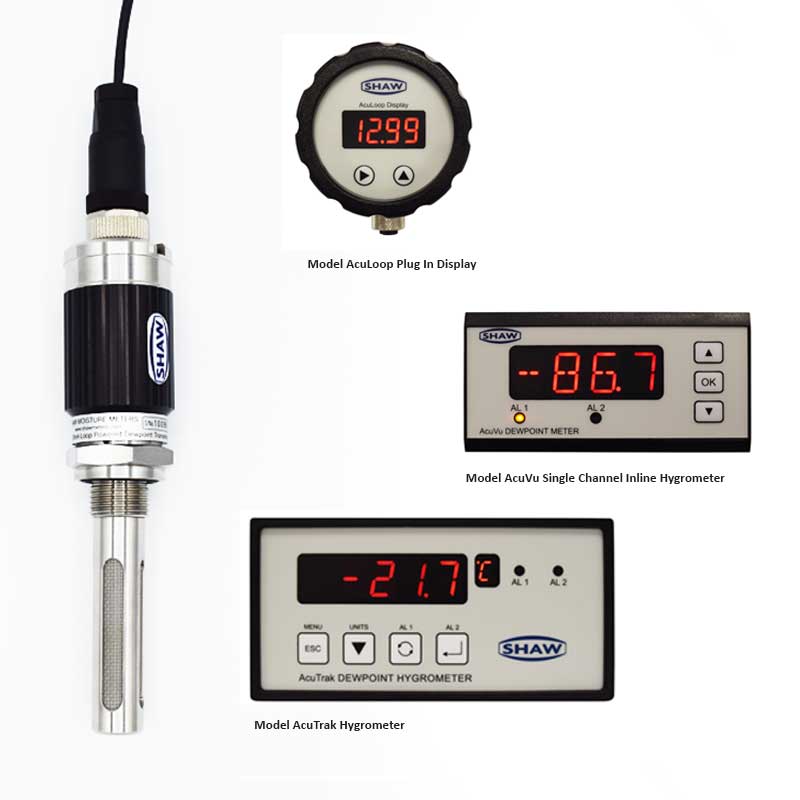
Inline Analyzers