
Importance of Dewpoint Measurement
APPLICATION NOTE
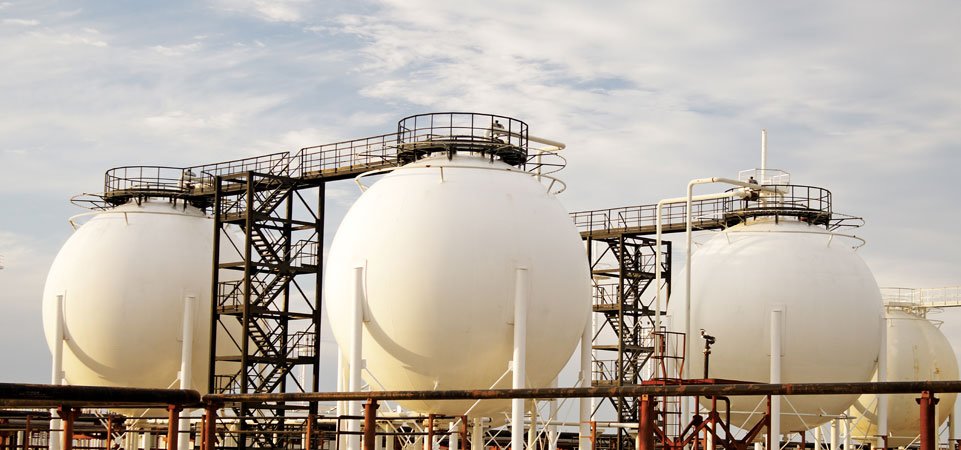
A cryogenic gas is any gas that becomes a liquid at extremely low temperatures, typically below –150°C (–238°F). At normal room temperature, these substances are gases but they are cooled so much that they become liquids for storage and transport. When released and warmed, they revert into a gas.
Common cryogenic gases include nitrogen, oxygen, helium, argon and hydrogen, all stored in special tanks. Trace moisture is the single most consequential contaminant in cryogenic gas processes. Even at parts per million (ppm) or parts per billion (ppb) levels, moisture can freeze inside brazed aluminium heat exchangers, trigger hydrate formation in LNG processes, reduce product purity and shorten equipment life.
Why are cryogenic gases used?
Operators use cryogenic gases because cooling these gases to extremely low temperatures changes their properties in useful ways.
They are commonly used for:
Storage and transport of large amounts of gas – Cooling a gas into a liquid makes it much denser. For example, 1 litre of liquid nitrogen expands to over 680 litres of gas. This makes storage and transportation far more efficient.
Industrial uses – Cryogenic gases help in metal cutting and welding (like LOX in oxy-fuel torches), shrinking metal parts for precision engineering and food freezing (flash freezing with LN₂).
Medical and scientific applications – Cryogenic gases are essential in Cryopreservation (preserving cells, blood, embryos and tissues) MRI machines (liquid helium cools superconducting magnets) and laboratory cooling for experiments that require extremely low temperatures.
Rocket fuel – Cryogenic liquids such as liquid hydrogen and liquid oxygen provide extremely high energy, making them ideal for space launch vehicles and upper stage rocket engines.
Energy and fuel systems – LNG (liquefied natural gas) is used because it stores more energy in a smaller volume, burns cleaner than diesel or coal and is easier and safer to transport in liquid form.
Why is moisture a problem in cryogenic gases?
Moisture creates serious operational and safety risks in cryogenic systems, making continuous dew point monitoring essential for several reasons:
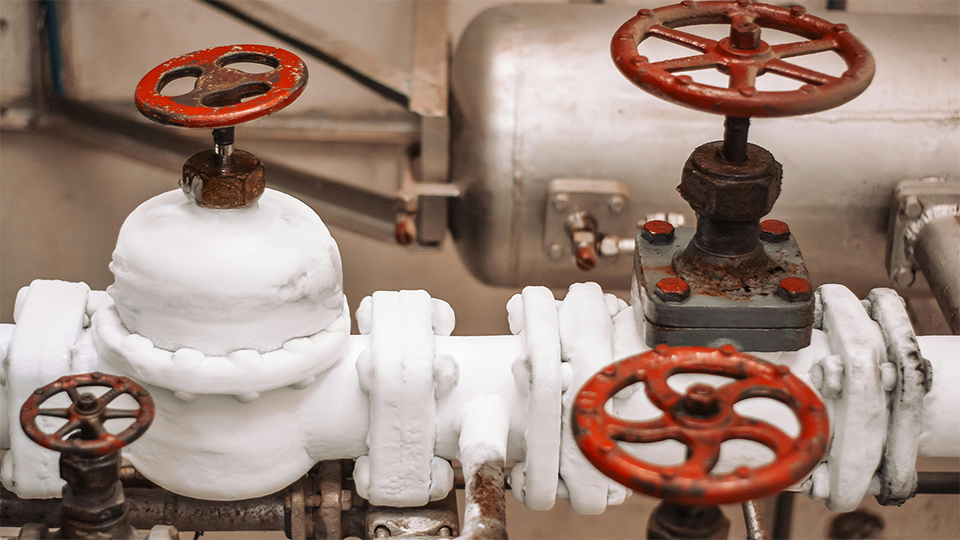
Freeze‑out in cryogenic heat exchangers – Water and CO₂ solidify in the cold box, obstructing flow and causing thermal/pressure upsets. Moisture ingress during maintenance or start up is a common root cause; a dry, warm purge to −40 °F (−40 °C) dew point is recommended before cool down.
Hydrate formation in natural gas/LNG systems – Under high pressure and low temperature, water and light hydrocarbons form clathrate hydrates, ice like solids that can plug lines and valves during transfers, cool downs or after shut ins.
Corrosion and product quality – Residual water vapour raises the risk of acid formation with CO₂/H₂S in hydrocarbon systems and compromises high purity products (e.g., Ar, N₂, O₂ and UHP speciality gases).

Where to measure moisture in cryogenic gas systems
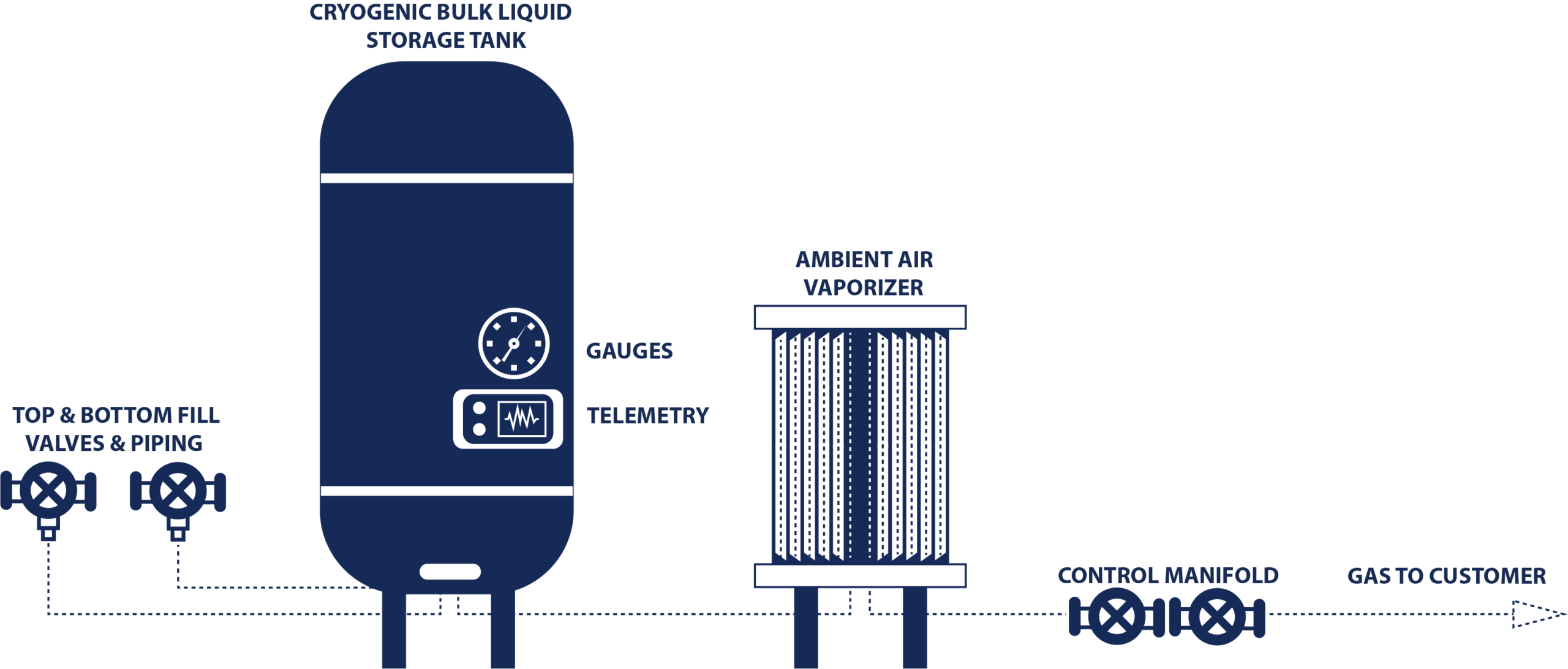
Always measure moisture in the vapour phase and only after a stable vaporisation stage. Never measure directly from the cryogenic liquid. Key measurement points include:
After the cryogenic vaporiser, it is important that the liquid must vaporise fully to avoid ice crystals that may corrupt readings. Continuous measurement using dewpoint transmitters at near ambient gas temperature. Sampling may include ambient air vaporisers, electrical vaporisers and heated sample lines.
At the outlet of an Air Separation Unit (ASU) column, continuous dewpoint sensors monitor trace moisture to ensure product quality in N₂, O₂, Ar production. Dewpoint sensors are also used to detect failure and validate the performance of molecular sieve dryers.
At cylinder or tank filling stations, cryogenic tankers and gas cylinders must meet moisture specifications before filling. Continuous dewpoint measurement should take place before liquefaction and in the final metering line.
On LNG systems, trace moisture is typically measured in boil-off gas (BOG) lines to stop hydrate formation in cold suction lines and the fouling of downstream equipment. Both portable dewpoint meters and fixed dewpoint transmitters measure trace moisture after LNG vaporisers for LNG storage and send out. Continuous measurement on fuel supply lines to engines and turbines, as small moisture amounts can form ice in fuel injectors.
Hydrogen systems (LH₂ or GH₂), trace moisture sensors are installed after the warmup/vaporiser in the purification train and before entering PEM fuel cells which are extremely moisture sensitive.
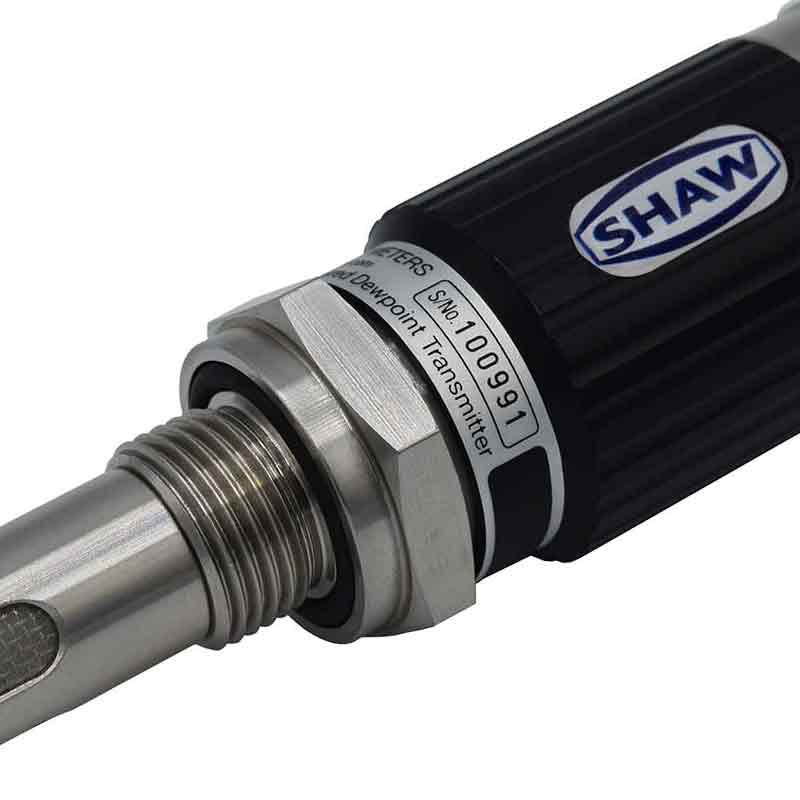
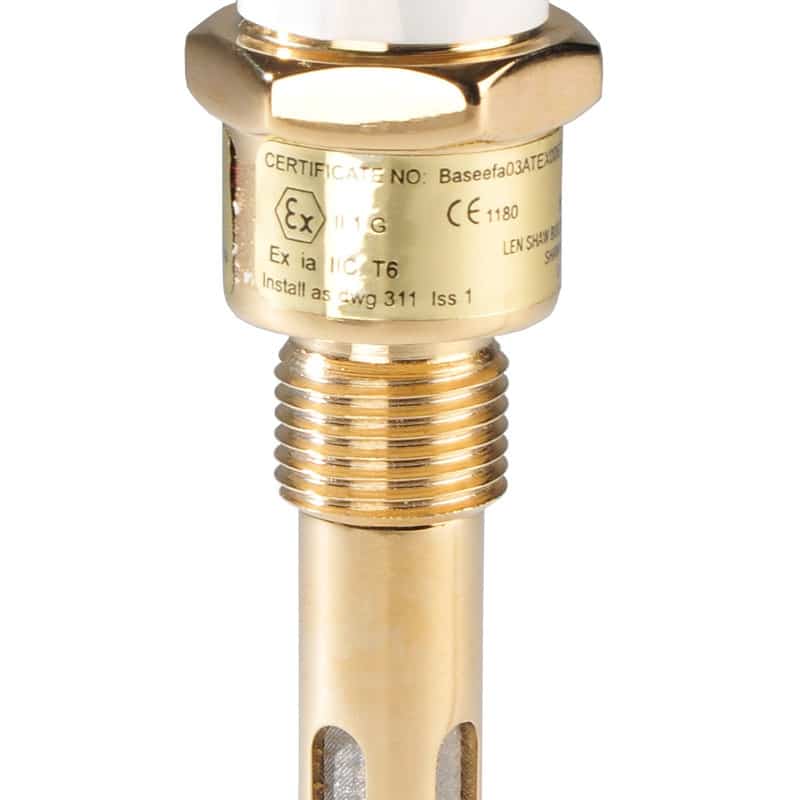
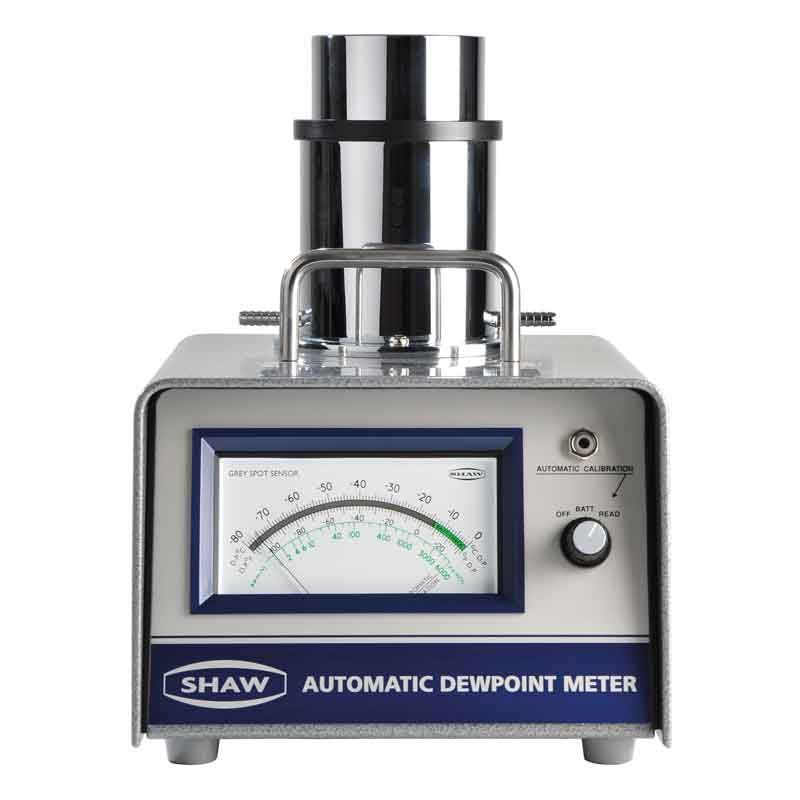
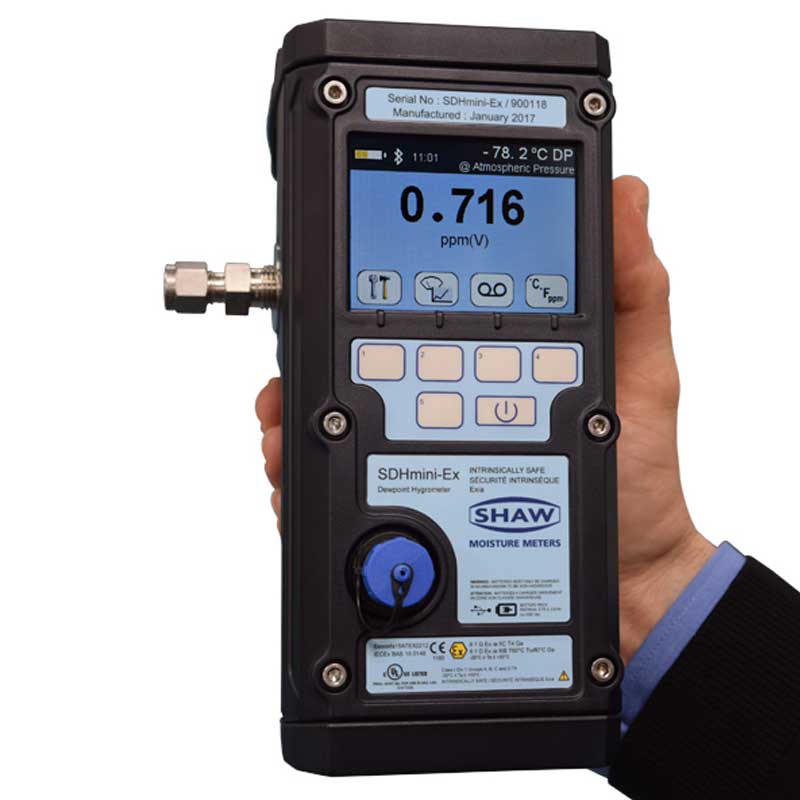
Accurate trace moisture measurement plays a fundamental role in cryogenic gas production and storage. It prevents freeze‑out and hydrate formation, protects brazed aluminium heat exchangers (BAHX) and storage systems and ensures consistent compliance with product specifications.
References to applicable standards
ASTM D1142-95(2021): Water vapour in gaseous fuels by dew point (chilled mirror).
ASTM D5454-11(2020): Water vapour in gaseous fuels using electronic analysers.
ISO 14687 (2025): Hydrogen fuel quality
ISO 21087:2019: Analytical methods for hydrogen fuel
ISO 10715:2022: Natural gas – Gas sampling
API 625: Tank systems for refrigerated liquefied gas storage
Further information
Recommended products
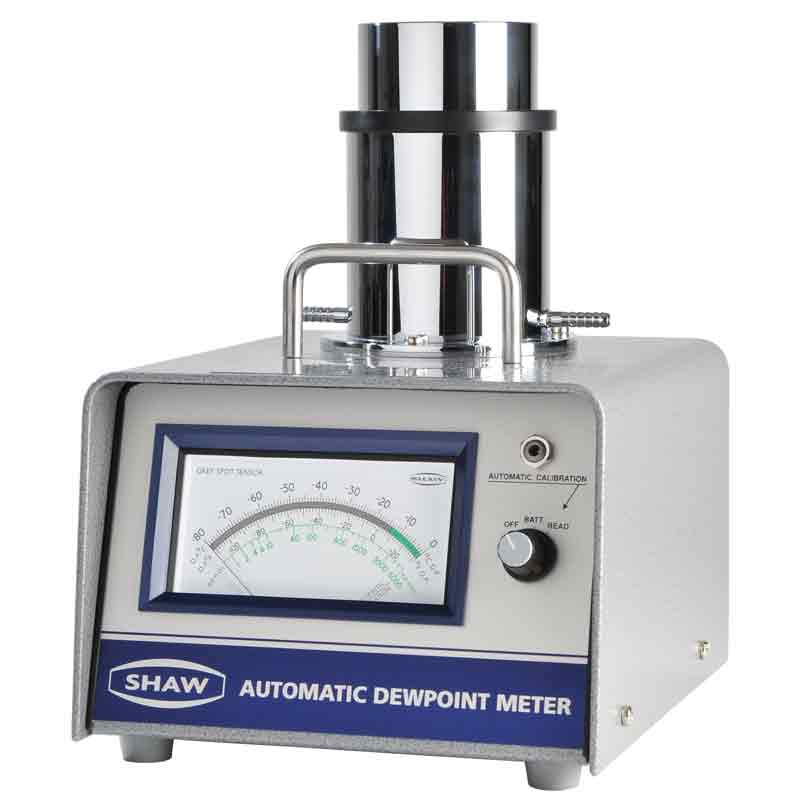
SADP Portable Hygrometer
Intrinsically safe, incorporating AutoCal and desiccant dry-down assembly.
More Information
SDHmini-Ex Dew Point Meter
Certified intrinsically safe for quick, reliable spot check measurements of trace moisture
More Information
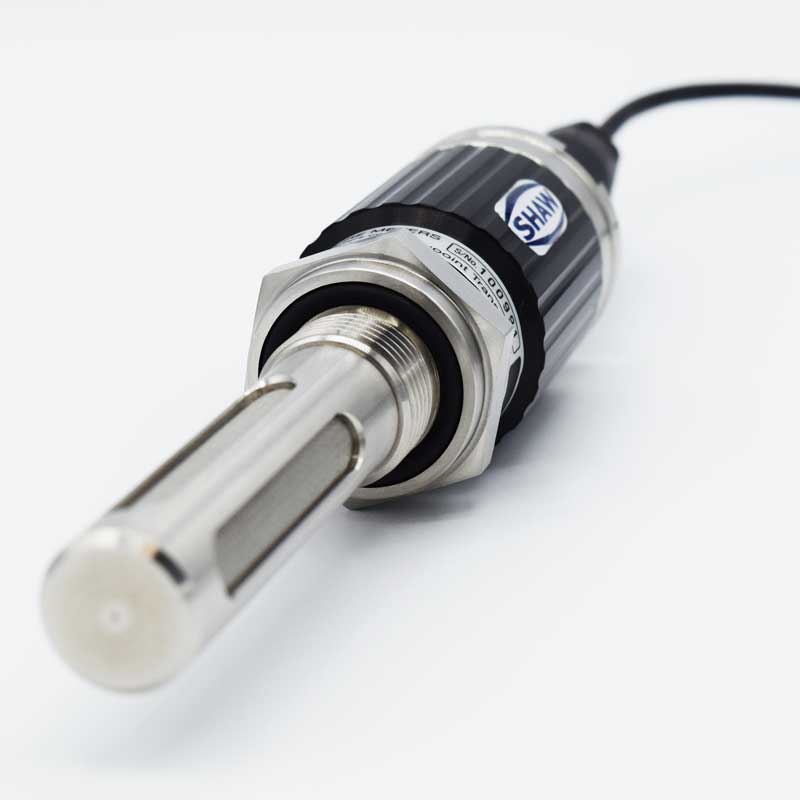
Dewpoint Sensor
Provides accurate and reliable moisture analysis from trace levels to ambient air conditions.
Dewpoint Sensor
Service & Calibration
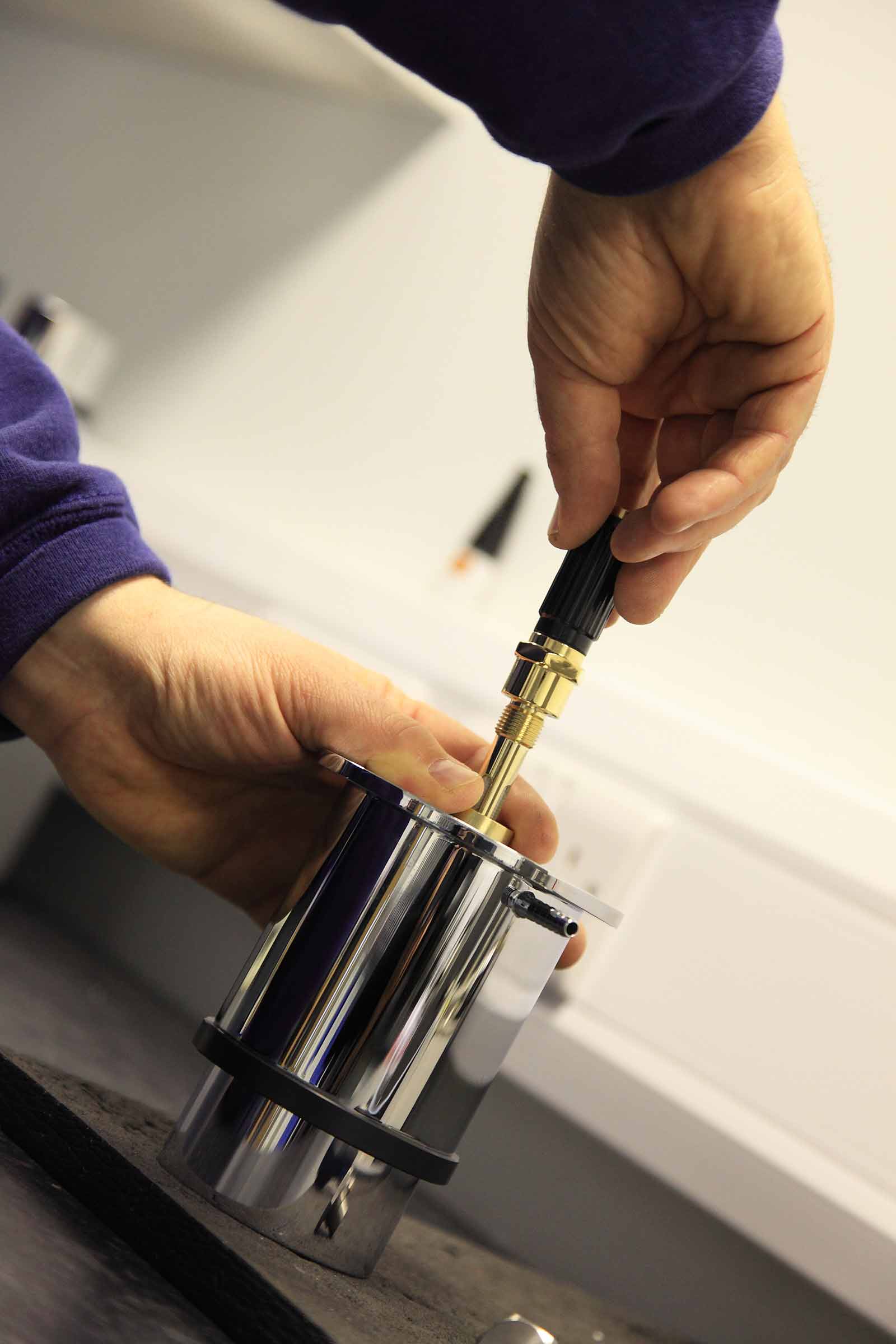
Have your dewpoint meter serviced and calibrated by the manufacturer.
Service & Calibration