The importance of dewpoint measurement…
in Compressed Air Dryers
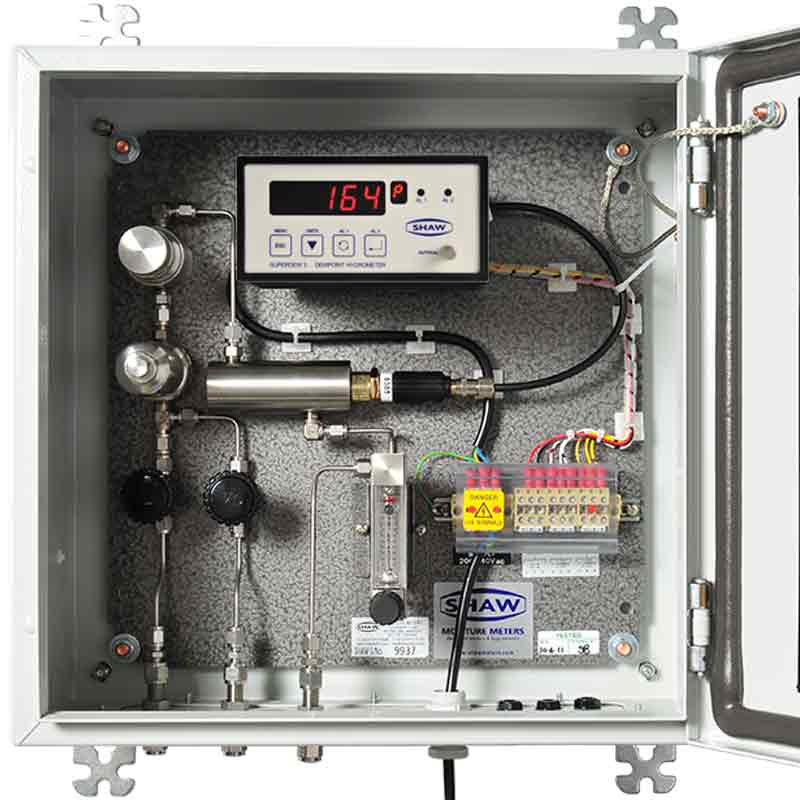
Compressed air is indispensable across industrial sectors, powering automation, pneumatic tools, and production processes. However, even trace amounts of moisture in compressed air can compromise system integrity, damage equipment, and contaminate products. The most effective way to control this risk is through accurate dewpoint measurement—a parameter that provides real-time insight into air quality and dryer performance.
Compressed Air Dryers
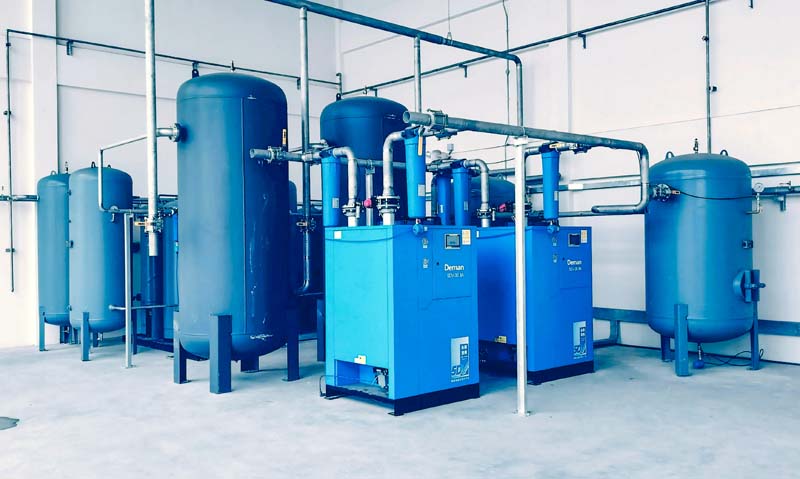
Compressed air dryers are designed to remove water vapor, but their performance can vary based on operating conditions and maintenance. Refrigerated dryers typically achieve dewpoints between +3°C and +10°C (37°F to 50°F), while desiccant dryers can reach -40°C to -70°C (-40°F to -94°F) for critical applications. Membrane and deliquescent dryers offer additional options for specific needs. However, regardless of the technology used, only continuous dewpoint monitoring with dewpoint transmitters can confirm that the system is delivering air at the required dryness level.
The Role of Dewpoint Measurement
Dewpoint represents the temperature at which air becomes saturated and water vapor begins to condense. Monitoring this value is essential for maintaining compressed air quality. Accurate dewpoint measurement enables operators to verify dryer efficiency, detect malfunctions early, and ensure compliance with international standards such as ISO 8573-1 for air purity. Without this data, moisture-related failures can occur unnoticed, leading to corrosion, blockages, and costly downtime.
Risks of Inaccurate or Absent Dewpoint Measurement
Failure to monitor dewpoint accurately can result in undetected moisture ingress. In industries such as pharmaceuticals, food processing, and electronics, this can lead to contamination and product rejection. In outdoor installations, excess moisture may freeze in pipelines, causing operational disruptions. Non-compliance with ISO standards can also expose businesses to regulatory and quality assurance risks.
Best Practices for Reliable Monitoring
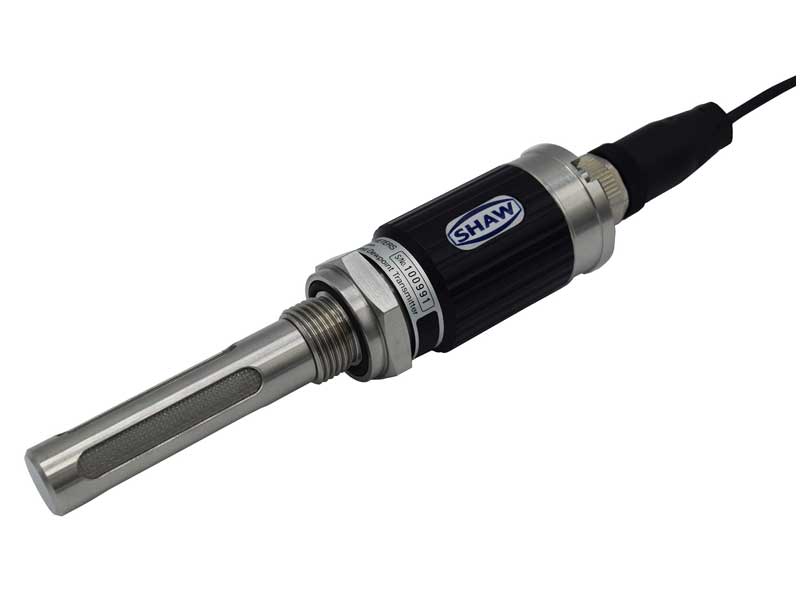
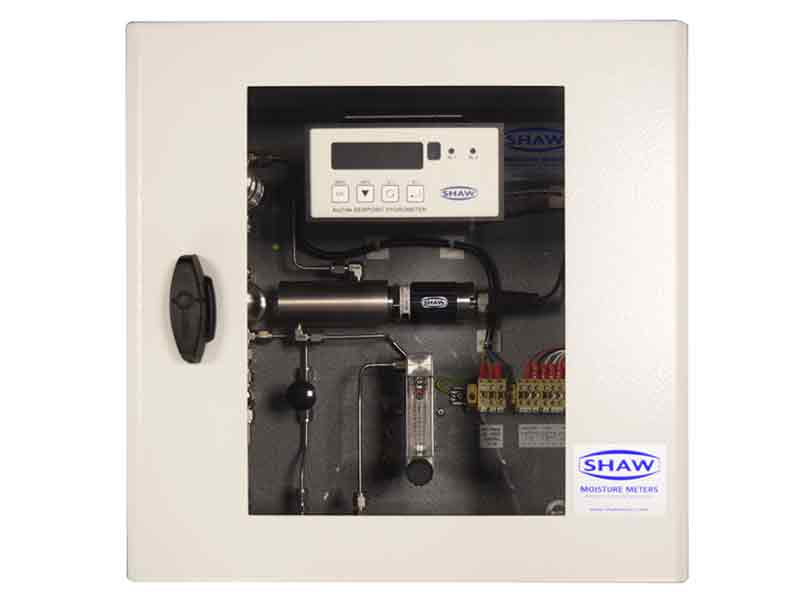
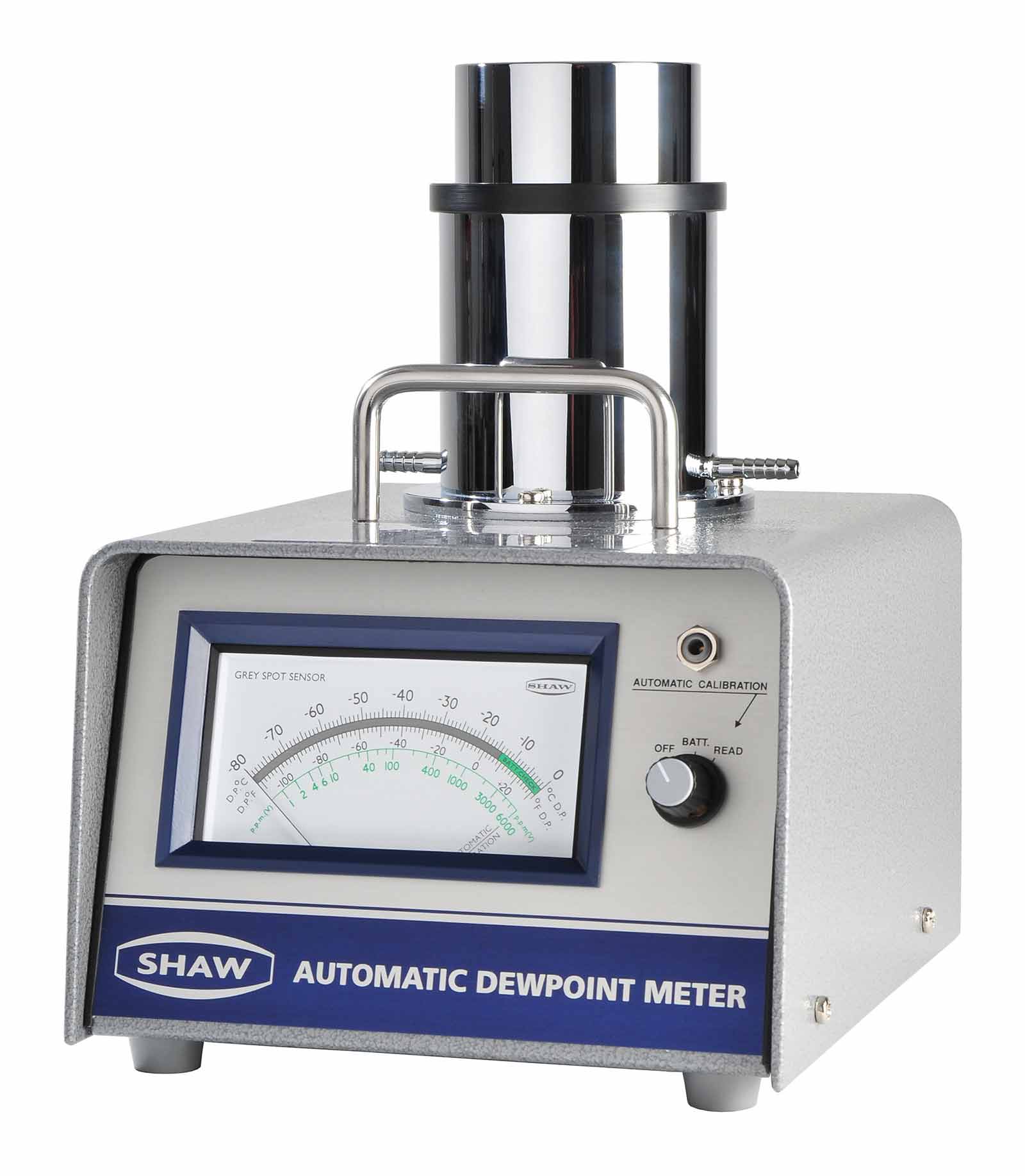
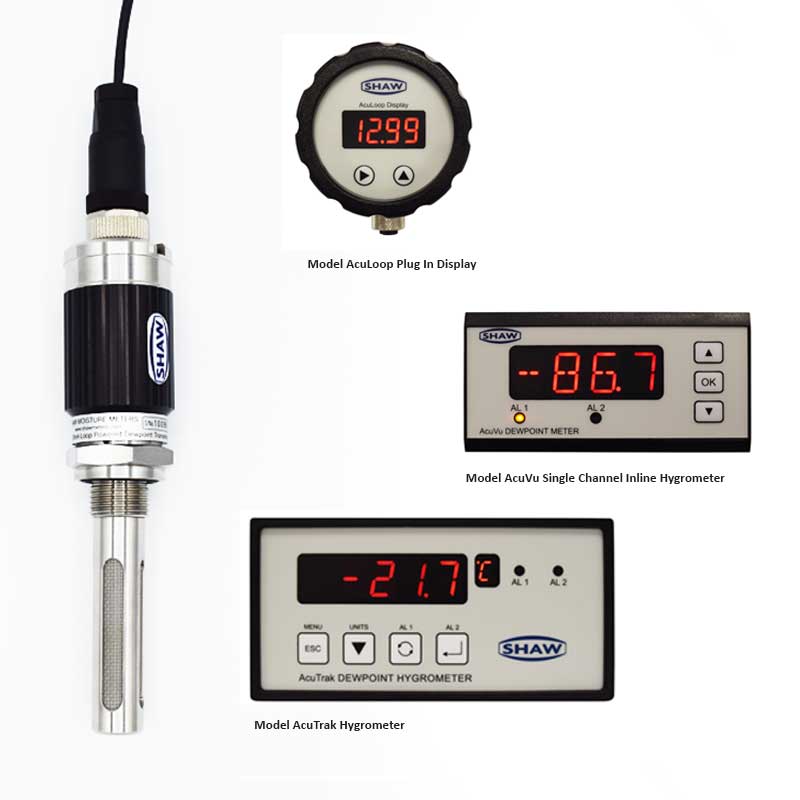
To achieve consistent air quality, dewpoint sensors should be installed downstream of dryers for real-time measurement. Portable instruments can supplement this by providing spot checks at multiple points in the system. Regular calibration and maintenance of both dryers and sensors are essential. Adhering to standards such as ISO 8573-1 for compressed air purity and ISO 7183 for dryer performance ensures that monitoring practices meet industry benchmarks.
Proper moisture control in industrial systems requires reliable devices such as compressed air dew point transmitters and instruments for compressed air dewpoint. Regular compressed air monitoring using compressed air hygrometers supports compressor air quality testing and ensures accurate dew point compressed air readings. Integrating dew point transmitters for compressed air helps maintain safe, efficient, and compliant operations across all critical processes.
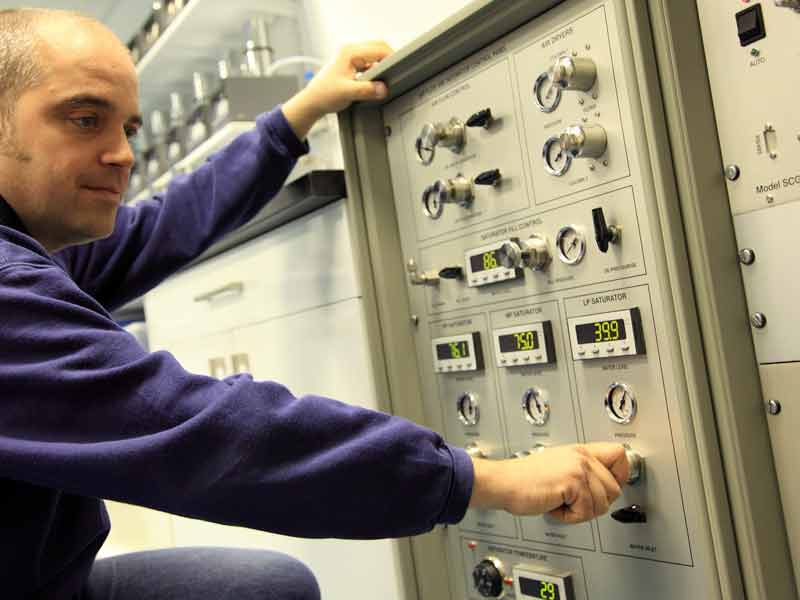
Accurate dewpoint measurement is a critical control parameter for compressed air systems. It provides assurance that drying equipment is functioning correctly, supports compliance with international standards, and minimizes the risk of moisture-related failures. By prioritizing precise monitoring and implementing best practices, with appropriate sampling systems industries can safeguard operations, maintain product integrity, and optimize system efficiency.
Portable Hygrometers
Inline Analyzers