
The Importance of Dew Point Measurement
APPLICATION NOTE
Ozone (O₃) is a powerful oxidising agent widely used in water treatment, wastewater sterilisation, food/pharma feedwater treatment, swimming pool disinfection and other industrial processes. Compared to chlorine, ozone offers advantages such as higher oxidation potential, no harmful chlorinated byproducts and environmentally benign oxygen residuals.
However, ozone generation, especially via corona discharge (CD), is extremely sensitive to moisture in the feed gas. Even small increases in water vapour can reduce ozone yield, cause arcing, increase nitric acid formation, accelerate corrosion and drastically decrease the life and efficiency of ozone generators. Moisture measurement, therefore, is not optional; it is a critical control parameter.
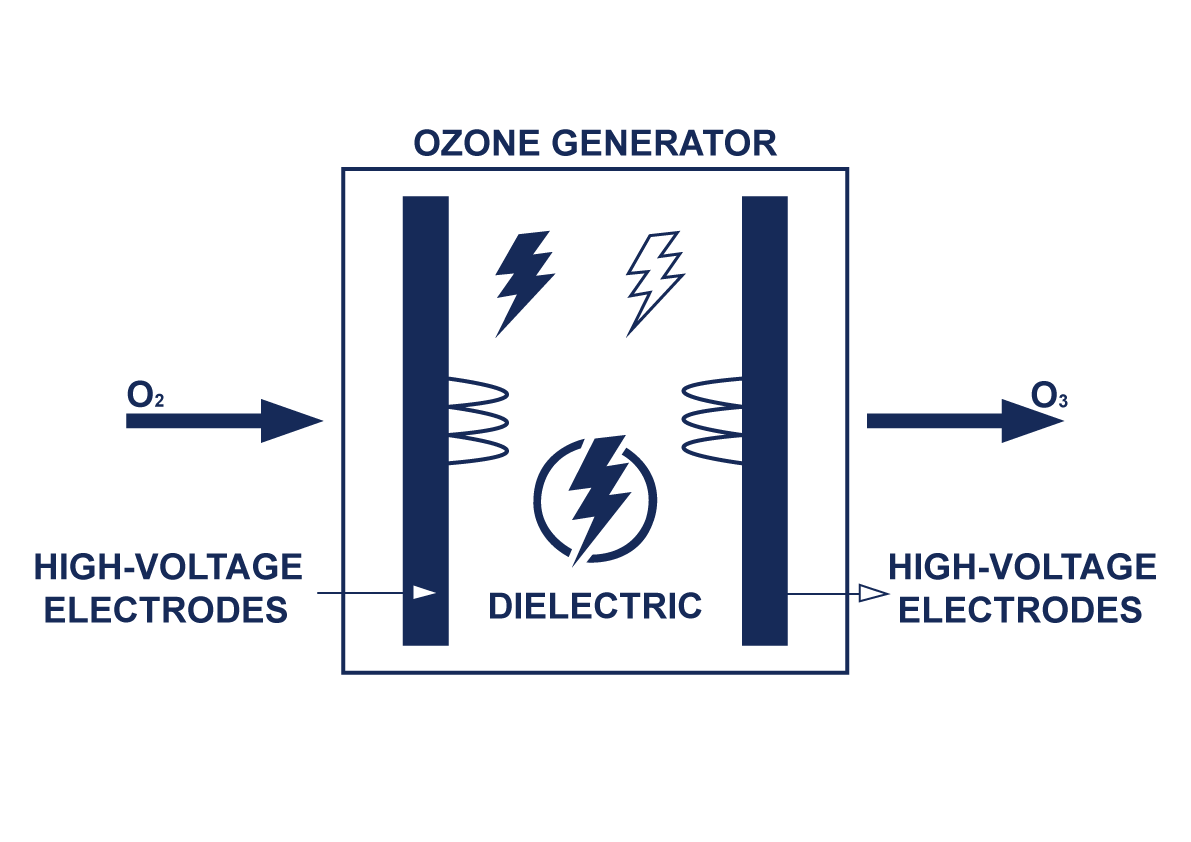
How Ozone Is Generated
The two main industrial ozone generation methods:
- Corona discharge (CD) is the most common; uses high‑voltage electrical discharge to split O₂, allowing recombination into O₃
- UV light is used only for small-scale applications and produces a lower yield
How it Works
- Oxygen Intake: The generator draws in oxygen from the surrounding air or a concentrated source
- Energy Application: A high-voltage electrical current (corona discharge) or ultraviolet (UV) light is applied to the oxygen
- Molecular Splitting: This energy breaks apart the stable O₂ molecules into highly reactive, individual oxygen atoms (O)
- Ozone Formation: These unstable single atoms quickly bond with other intact O₂ molecules, creating ozone (O3)
- Oxidation: The generated ozone gas reacts with contaminants such as odour molecules, bacteria, and viruses, transferring an oxygen atom that disrupts their molecular structure, breaking them down and neutralising them.
How Ozone is Used
- Potable water production
- Food and pharmaceutical water sterilisation
- Swimming pool water treatment
- Wastewater sterilisation before environmental discharge
These applications rely on consistent, high-yield ozone production, which is directly impacted by dew point.

Why Dew Point Measurement is Essential in Ozone Manufacturing
Arcing and Electrical Failure
Corona discharge ozone generators rely on a stable high‑voltage electrical field. When moisture enters the feed gas (air or oxygen), it increases the gas’s electrical conductivity, leading to:
- Arcing between electrodes
- Electrical breakdown across the dielectric
- Physical damage to electrodes and chamber walls
- Premature generator failure

Formation of Nitric Acid and Corrosion
If moisture is present, the corona discharge converts nitrogen (from air or non pure oxygen) into nitrogen oxides. These combine with water vapour to form nitric acid inside the generator. The consequences include:
- Corrosion of electrodes
- Attack on stainless steel, seals and dielectric surfaces
- Increased maintenance frequency
- Shortened generator life span
Major Loss of Ozone Production Yield
Moisture has a dramatic effect on yield:
- At −70 °C dew point, ozone generators achieve 100% rated yield
- At −5 °C dew point, ozone output may drop to -50%, even when everything else is equal
- When a generator rated on dry oxygen is fed with moist air, the actual output may be just 15 – 25% of the rated performance, depending on dew point and feed gas
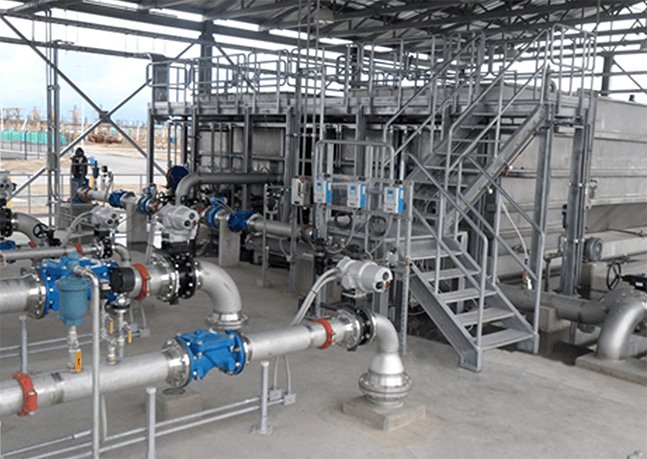
Moisture Damages Oxygen Concentrators and Reduces Feed Gas Purity
Many ozone systems use PSA oxygen concentrators, which rely on molecular sieve beds. These sieves are hygroscopic and are subject to moisture exposure, which:
- Reduces oxygen purity
- Floods the sieve media
- Decreases ozone production
- Causes early oxygen generator failure
Moisture measurement is therefore critical, not only in the ozone generator but the oxygen feed system itself.
How Dew Point Meters are Used in Ozone Generation
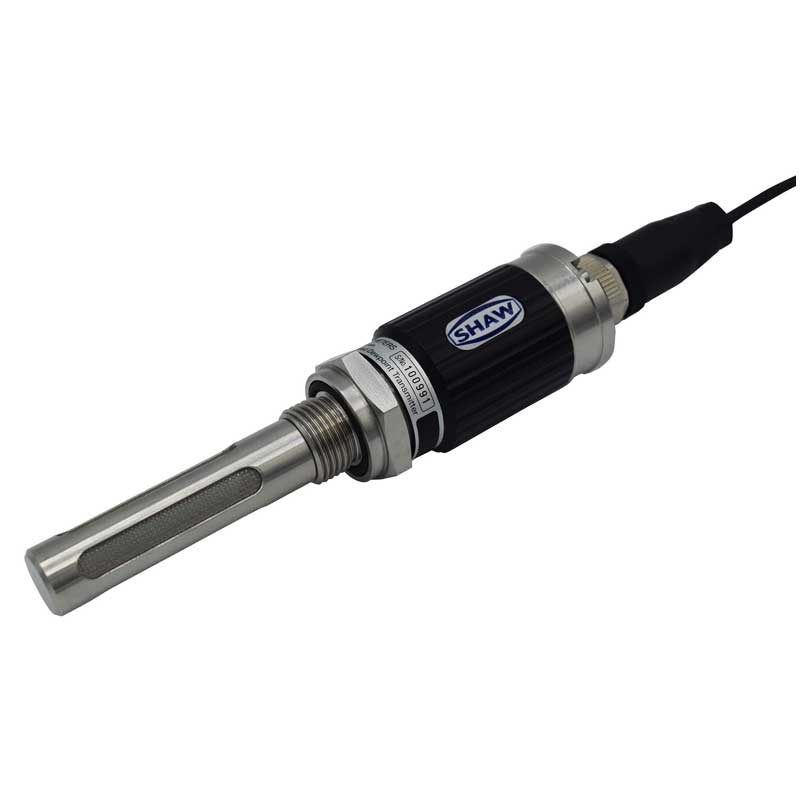
Dew point meters are essential tools in the monitoring, protection and optimisation of ozone generation systems, especially corona discharge (CD) ozone generators. Their role spans feed gas preparation, performance optimisation, maintenance, prevention and safety.
Ozone generators require extremely dry feed gas (air or oxygen), often in the range of −60 °C to −80 °C dew point for air fed systems. Moisture leads to arcing, nitric acid formation and major ozone yield loss, therefore dew point meters:
- Are installed in the gas line immediately after the dryer (desiccant, PSA, refrigeration, etc.)
- Provide continuous real-time measurement of the moisture content entering the generator
- Trigger alarms or automatic shutdown if dew point rises
In modern ozone plants, dew point meters are connected to PLC / SCADA systems for trend logging with automatic interlocks that shut off the generator if the dew point rises.
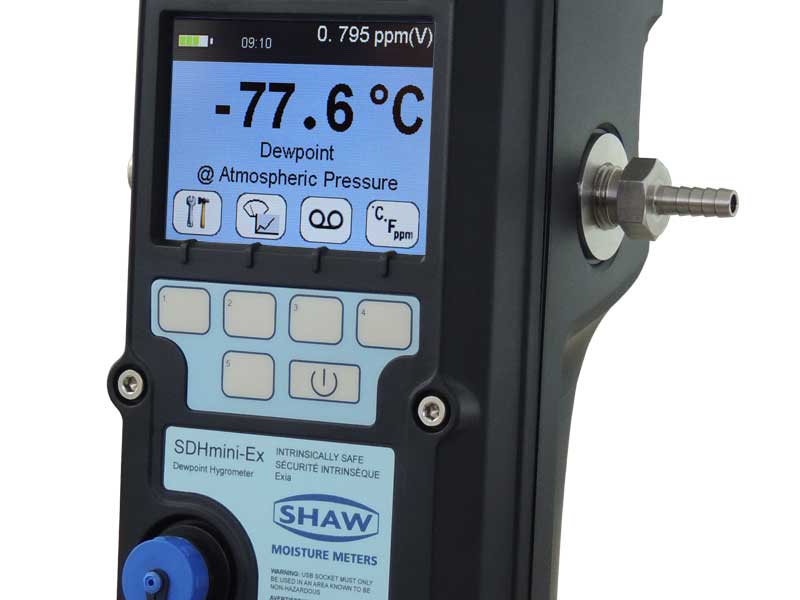
Portable dewpoint meters are also used for start‑up verification, continuous quality assurance and troubleshooting low ozone output.
Conclusion
Moisture is one of the most critical contaminants affecting ozone generator performance. Even slight increases in dew point can:
- Cut ozone yield by 50% or more
- Cause dangerous arcing
- Generate nitric acid, corroding internal components
- Reduce oxygen purity in PSA systems
- Increase maintenance costs and downtime
Dewpoint meters are the first and most important line of defence against trace moisture, the single biggest threat to ozone generator performance, longevity and efficiency.
Further Information
Recommended Products
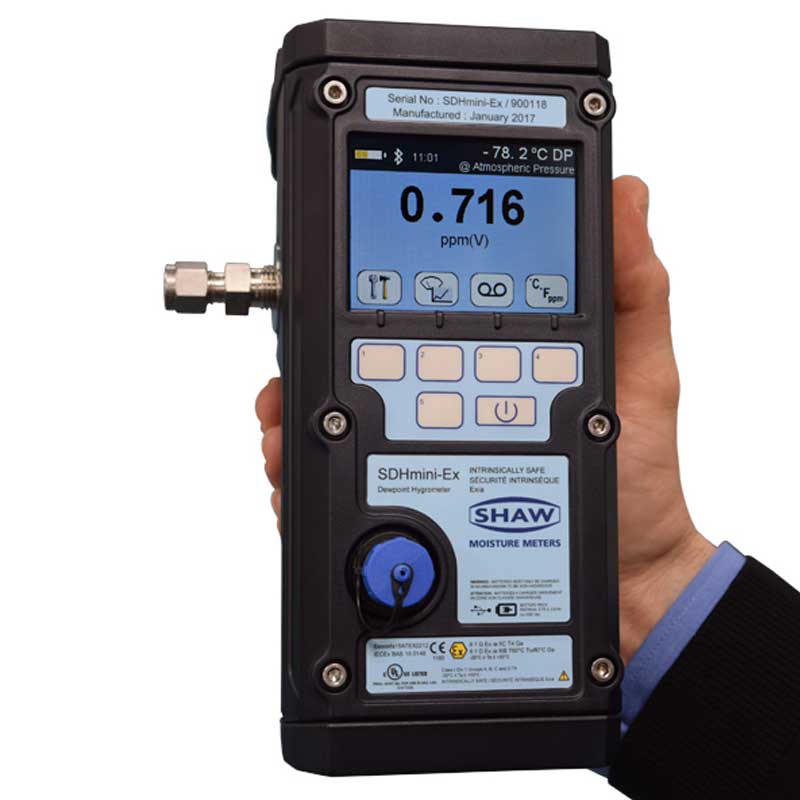
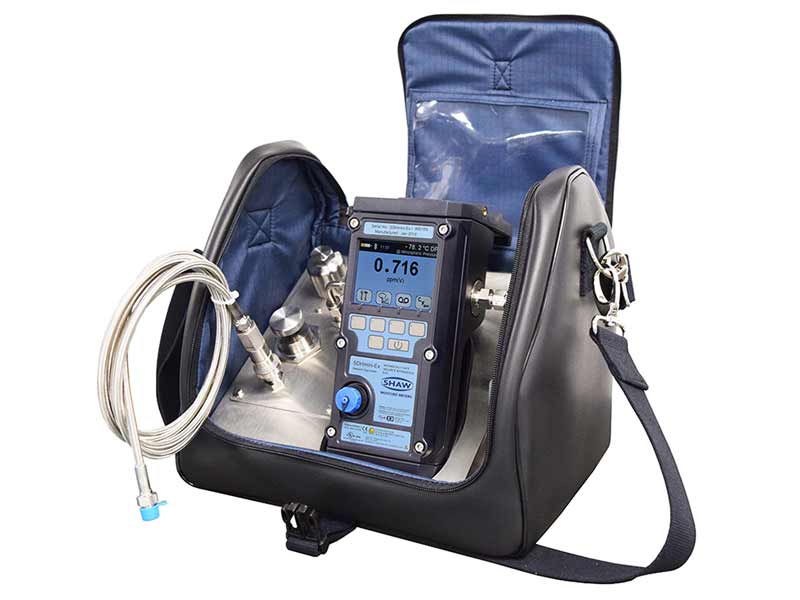
Hand Held Hygrometers
Incorporating AutoCal, desiccant dry-down assembly and advanced features.
More Information
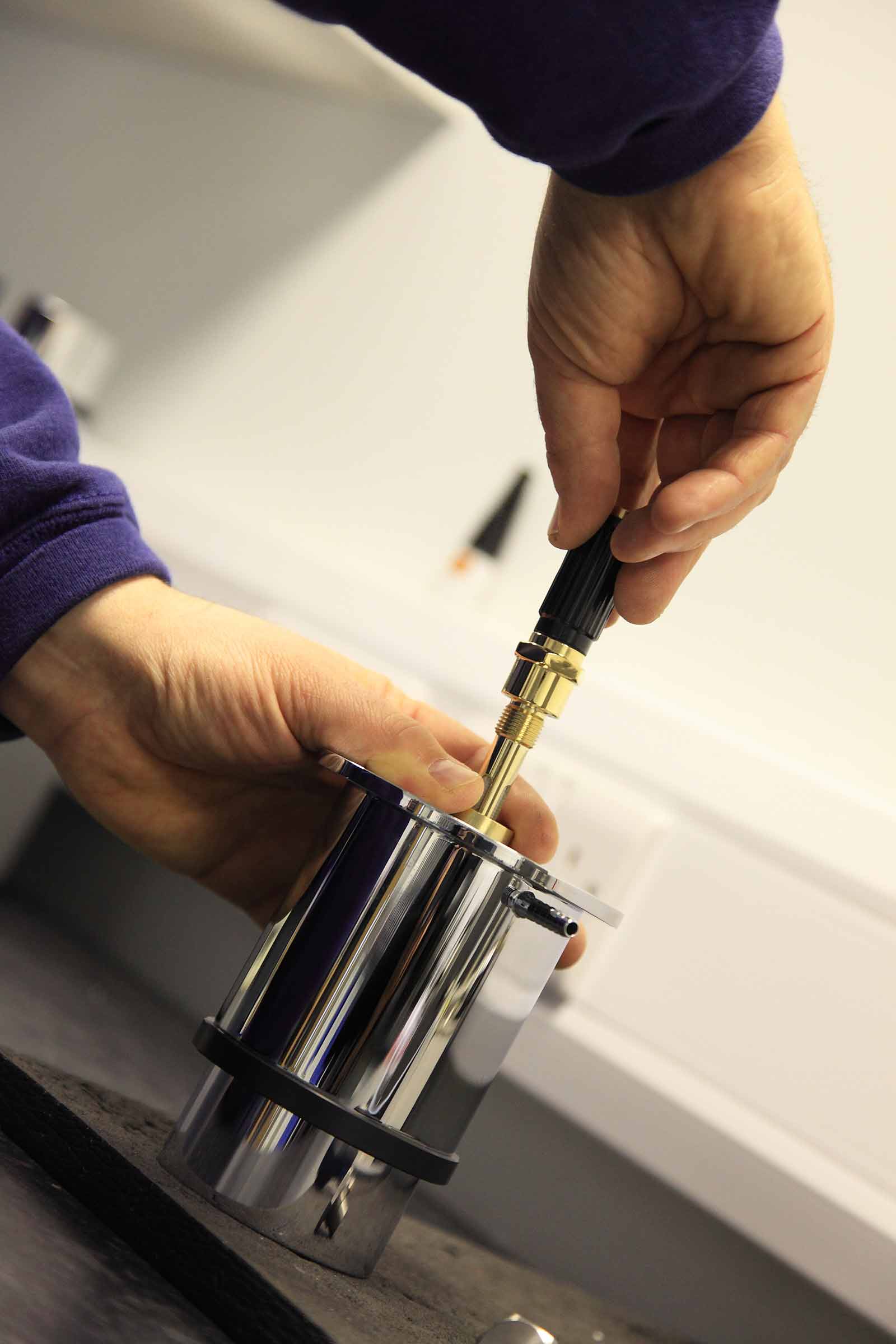
Portable Sample System
Built from high quality components for long term performance and reliability.
More Information
Dewpoint Sensor
Provides accurate and reliable moisture analysis from trace levels to ambient air conditions.
Dewpoint Sensor
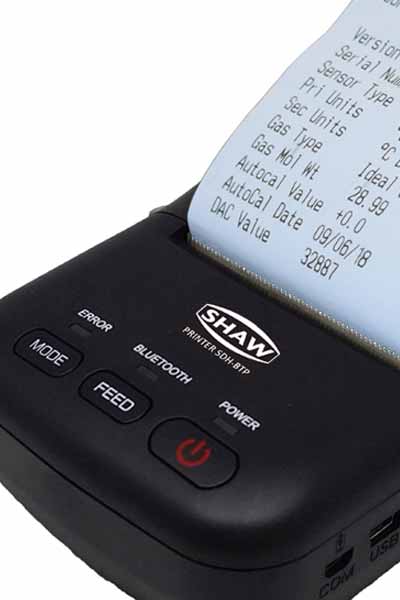
Bluetooth Printer
Slim, lightweight, long lasting battery life, fast and low temp printing (for Ex and L models)
More Information
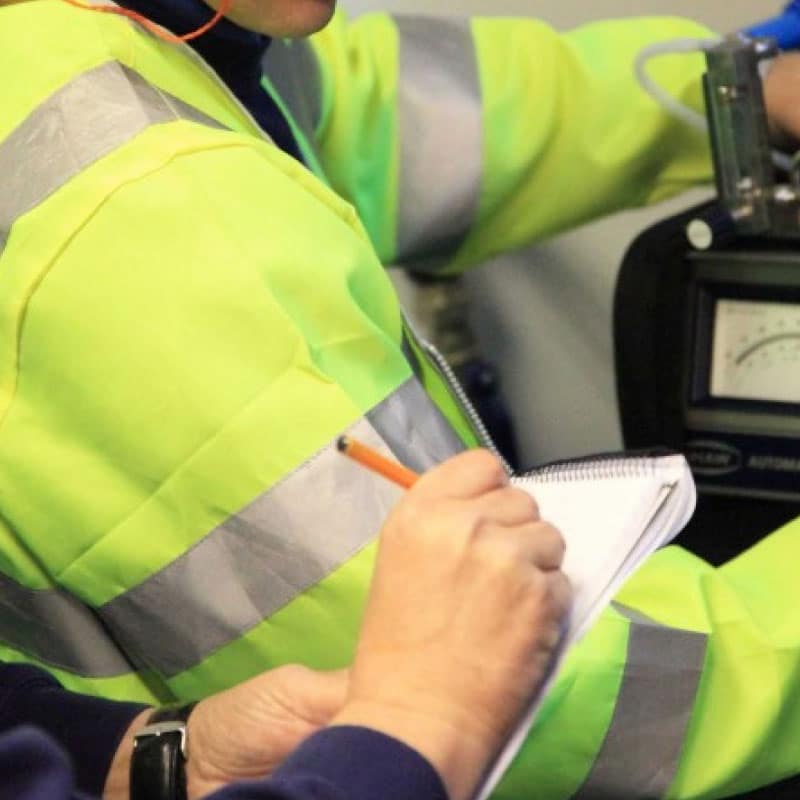
Service & Calibration
Have your dewpoint meter serviced and calibrated by the manufacturer.
Service & Calibration