
Importance of Dewpoint Measurement
Liquefied Natural Gas (LNG) and Liquefied Petroleum Gas (LPG) are transported worldwide in bulk as cryogenic or pressurised liquids. Liquefying natural gas provides an efficient way to transport it over long distances, reducing its volume by a factor of 600 compared to its gaseous state.
Maintaining product integrity during transport is essential for safety, efficiency and regulatory compliance. In particular, dewpoint measurement serves as a key parameter to ensure that moisture and heavy hydrocarbons remain below condensation levels. As a result, operators can prevent hazards such as hydrate formation, corrosion and blockages.
LNG and LPG Transport Overview
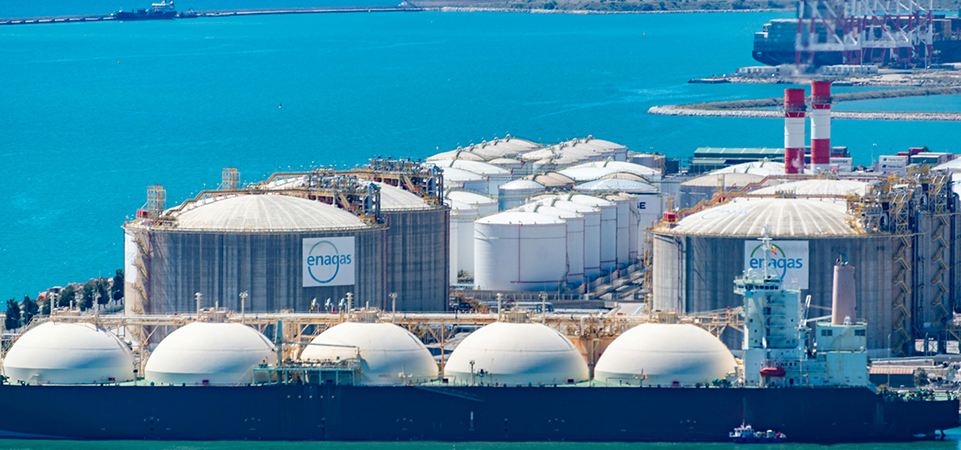
LNG Transport
-
- LNG is natural gas cooled to approximately -162 °C at near-atmospheric pressure.
- Transported in cryogenic tanks on specialised carriers or insulated road trailers.
- Requires boil-off gas management and strict temperature control.
LPG Transport
-
- LPG (propane, butane) is transported under moderate pressure or refrigerated conditions.
- Carried in pressurised tanks, semi-refrigerated vessels, or fully refrigerated carriers.
- Typical boiling points: Propane (-42 °C), Butane (-0.6 °C).

Inert Gas Operations and Cargo Tank Preparation
Dew point monitoring is essential for several reasons:
Ice and Hydrate Formation: Since LNG is transported at extremely low temperatures (around -161 °C), any moisture that enters the cargo tanks or associated pipelines will freeze immediately. This frozen moisture forms hydrates which can block flow paths and damage equipment or instrumentation. Therefore, monitoring moisture levels within the system is essential.
Cargo Quality: The presence of excessive moisture or condensed hydrocarbons reduce the quality and energy content (BTU value) of the natural gas. These factors directly affect custody transfer accuracy and compliance with commercial agreements, highlighting the need for continuous monitoring and precise control of gas composition.
Monitoring Inert Gas Systems: During tank preparation, operators purge and blanket the cargo tanks with inert gas (typically nitrogen). To maintain process assurance, continuous monitoring of the inert gas dew point confirms it remains sufficiently dry, commonly -45 °C or lower and thus prevents any moisture from entering the cold cryogenic system.
Solutions: Trace Moisture Measurement and Control
Operators use dewpoint meters on LNG and LPG vessels primarily during inert gas operations and cargo tank preparation to prevent the formation of ice or liquid condensation, which can cause severe damage, blockages and safety hazards.
Key Uses
Inerting and Purging Systems: Operators closely monitor the quality and dryness of the inert gas (often nitrogen) used to blanket or purge cargo tanks and pipework. Because the gas must have a very low dew point, typically around -45 °C, accurate measurement ensures complete moisture removal and supports safe, efficient operations.
Cargo Tank Preparation: Before loading liquified gas, operators ensure the cargo tanks are completely dry and inert. A portable dewpoint meter installed on the purge outlet verifies the dryness of the tank atmosphere and confirms that no residual moisture remains. This prevents freezing, insulation damage and ice blockages when exposed to the extremely low cargo temperatures.
Spot Checks and Verification: In addition, operators frequently use portable dew point meters to spot-check moisture levels at various system points or to verify inline analyser readings as part of routine maintenance. These instruments also play an important role during tank warm up and cool down cycles helping maintain safe and reliable operating conditions.

In essence, the dew point meter is an essential safety and maintenance tool, ensuring no liquid water or ice forms within the cryogenic systems and associated pipework of the vessel.
References to Applicable Standards
- ISO 23306:2020 – LNG as marine fuel specification.
- API MPMS – Manual of Petroleum Measurement Standards.
- ASTM D1142 – Water vapor in natural gas.
- EASEE-gas – Common Business Practice 2005-001/01.
Further Information
Recommended Products
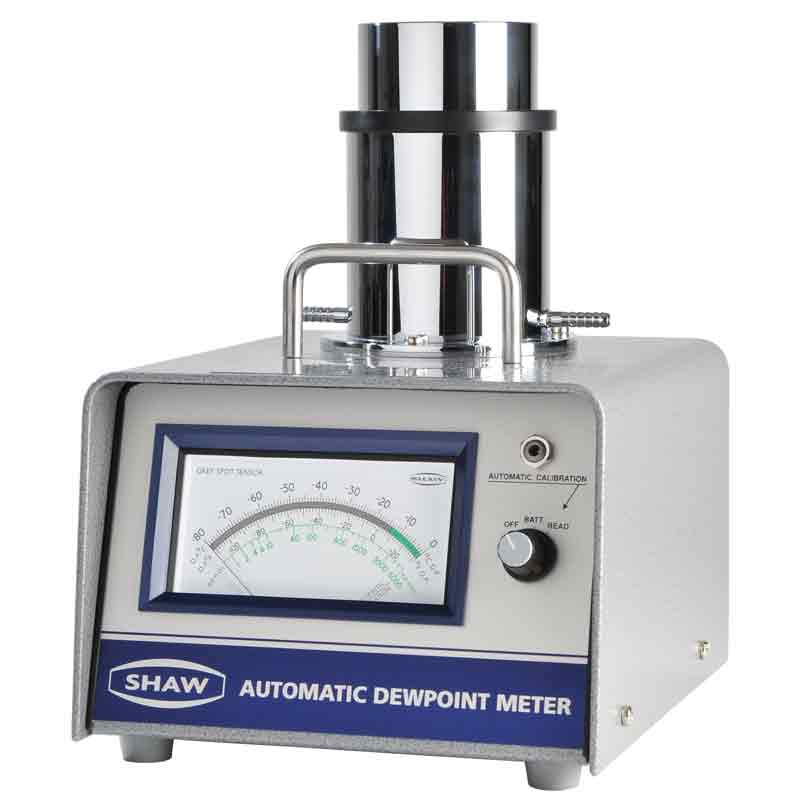
Portable Hygrometers
Intrinsically safe, incorporating AutoCal and desiccant dry-down assembly.
More Information
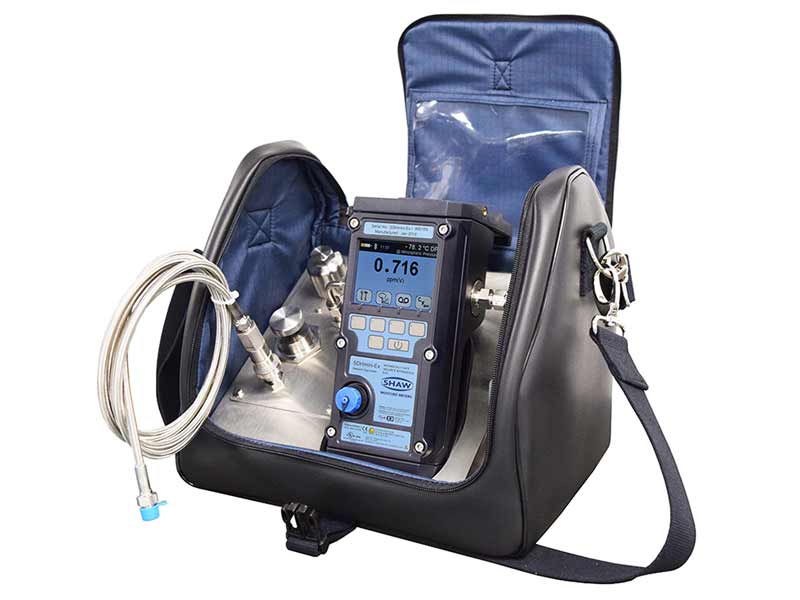
Portable Sample System
Built from high quality components for long term performance and reliability.
More Information
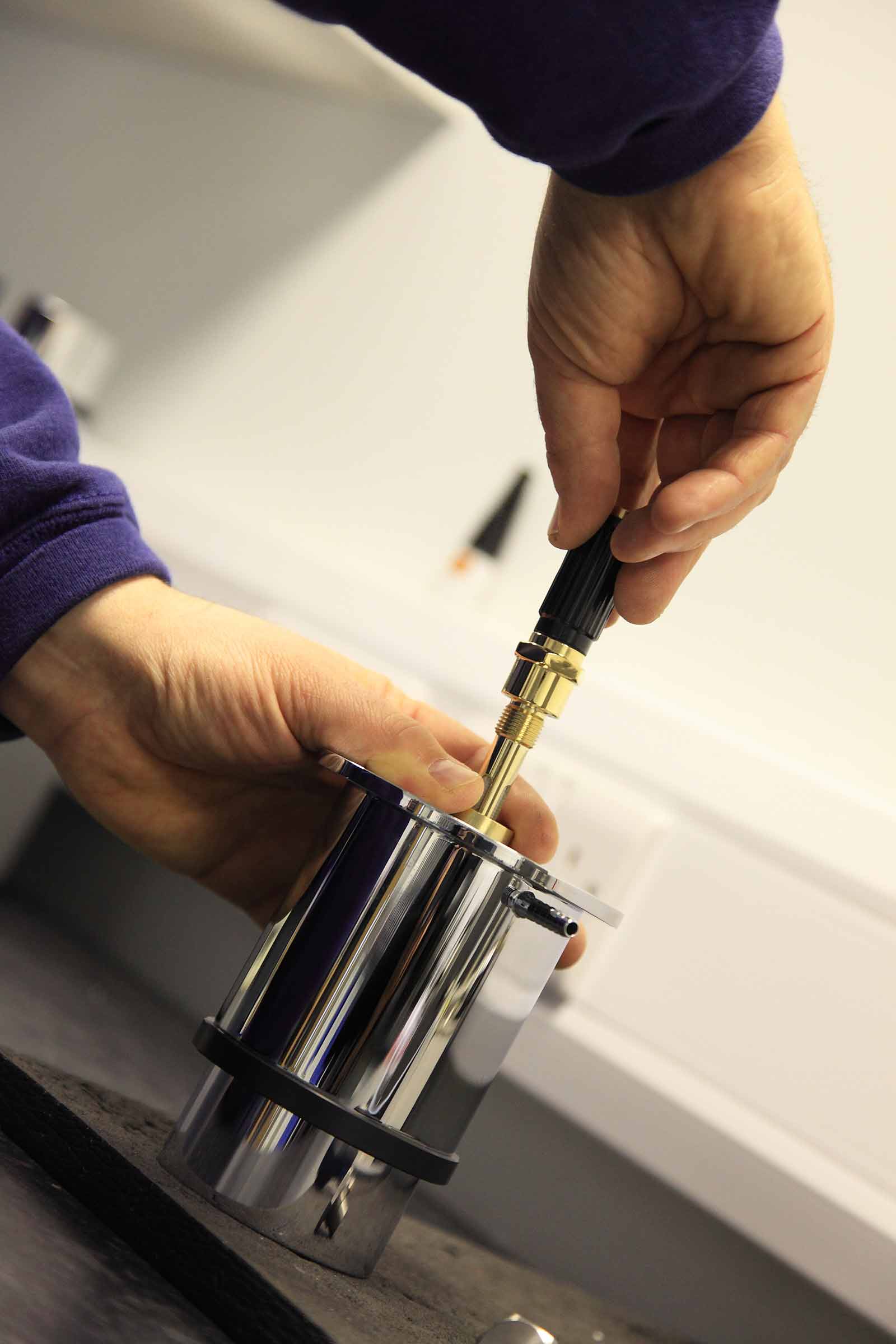
Dewpoint Sensor
Provides accurate and reliable moisture analysis from trace levels to ambient air conditions.
Dewpoint Sensor
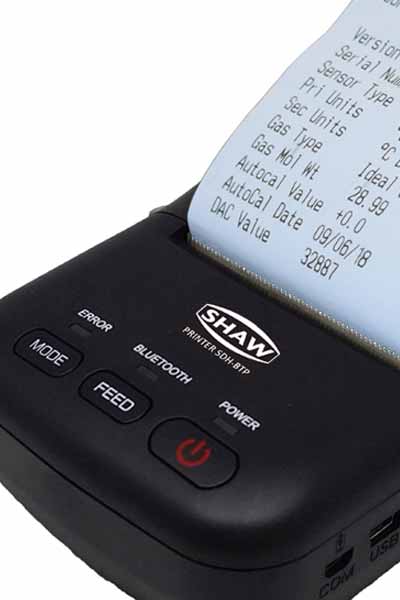
Bluetooth Printer
Slim, lightweight, long lasting battery life, fast and low temp printing (for Ex and L models)
More Information
Service & Calibration
Have your dewpoint meter serviced and calibrated by the manufacturer.
Service & Calibration