
Polyethylene Terephthalate (PET) is a widely used thermoplastic polymer, especially in the production of bottles for beverages, food, and other consumer goods. Ensuring optimal product quality in PET bottle manufacturing requires precise control of several parameters, with trace moisture measurement being one of the most critical.
What is PET and How is it Used?
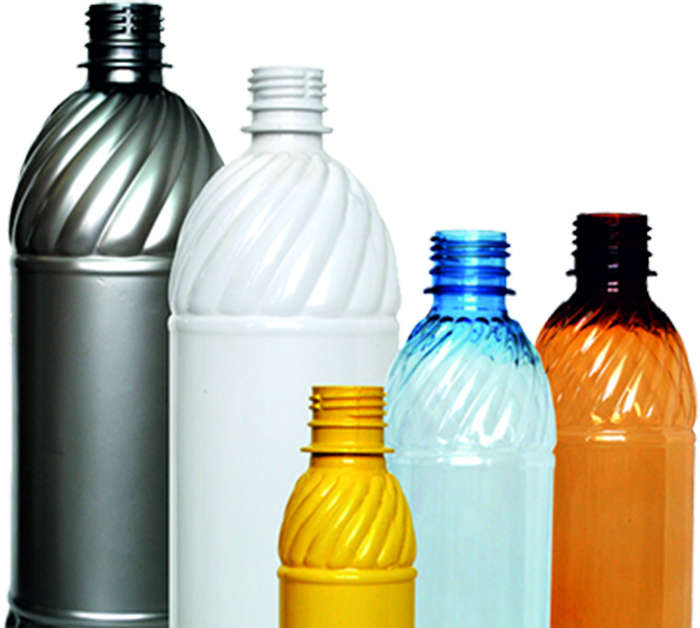
PET is a strong, lightweight, and transparent plastic. Its key properties include:
- High strength-to-weight ratio
- Excellent chemical resistance
- Good barrier properties against gases and moisture
Applications of PET
- Beverage bottles (water, soft drinks, juices)
- Food packaging
- Personal care containers
- Synthetic fibres (polyester)
Moisture Problems in PET Bottle Manufacture
Why Moisture Matters
During PET processing, moisture content must be strictly controlled. PET is hygroscopic, meaning it absorbs moisture from the environment. If PET pellets contain excess moisture during melting and molding, several issues can arise:
- Hydrolytic Degradation: Water reacts with PET at high temperatures, breaking polymer chains and reducing molecular weight.
- Loss of Mechanical Strength: Degraded PET leads to brittle bottles with poor impact resistance.
- Surface Defects: Increased haze, bubbles, and discoloration in finished bottles.
- Reduced Barrier Properties: Compromised ability to protect contents from oxygen and CO₂ ingress.
Typical Moisture-Related Defects
| Defect Type | Cause | Impact |
| Brittleness | Chain scission by water | Cracking, breakage |
| Haze/Discoloration | Degradation by hydrolysis | Poor appearance, off-color |
| Bubbles | Vaporization of moisture | Weak spots, leaks |
Solutions: Trace Moisture Measurement and Control
Pre-Drying PET Pellets
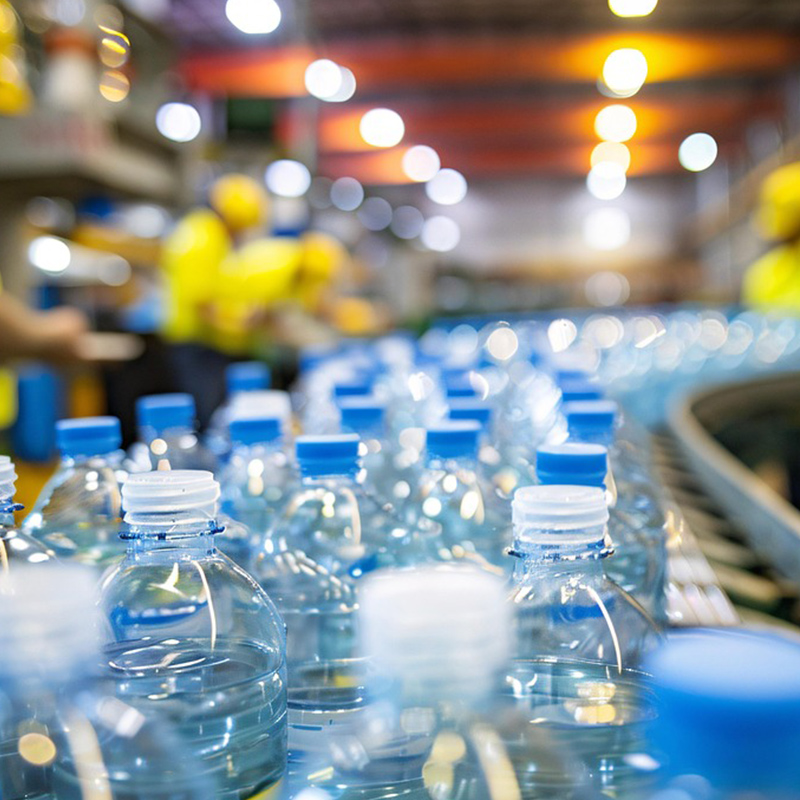
PET resin is typically dried to below 50 ppm (0.005%) moisture before processing, using desiccant dryers.
Moisture Measurement Techniques
- Capacitance Sensors: Fast, inline monitoring.
- Dew Point Meters: Monitor dryer performance.
Process Control
- Continuous monitoring ensures consistent low moisture.
- Automated alarms and feedback loops prevent processing of wet resin.
References to Applicable Standards
- ISO 15512: Plastics — Determination of Water Content
- ASTM D7191: Standard Practice for Quality Assurance of PET Resin
Trace moisture measurement is essential in PET bottle manufacturing to prevent product defects, maintain mechanical strength, and ensure compliance with industry standards. By implementing robust moisture control and monitoring systems, manufacturers can achieve consistent product quality and reduce waste, supporting both operational efficiency and customer satisfaction.
Further Information
Recommended Products
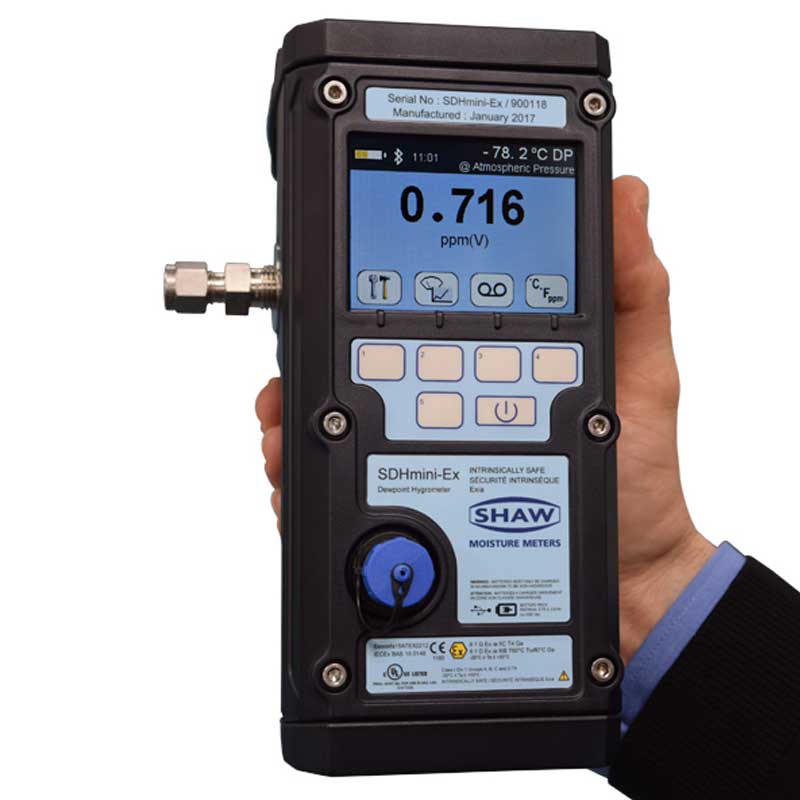
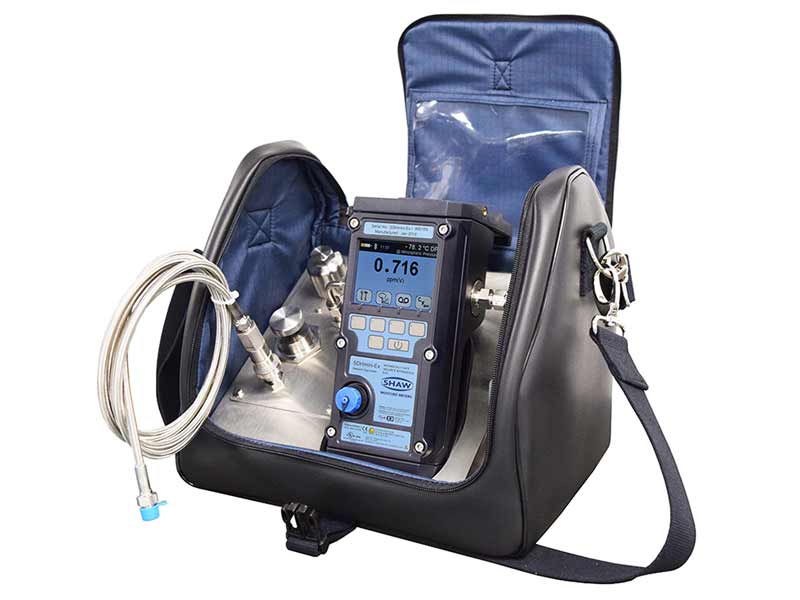
Hand Held Hygrometers
Incorporating AutoCal, desiccant dry-down assembly and advanced features.
More Information
Portable Sample System
Built from high quality components for long term performance and reliability.
More Information
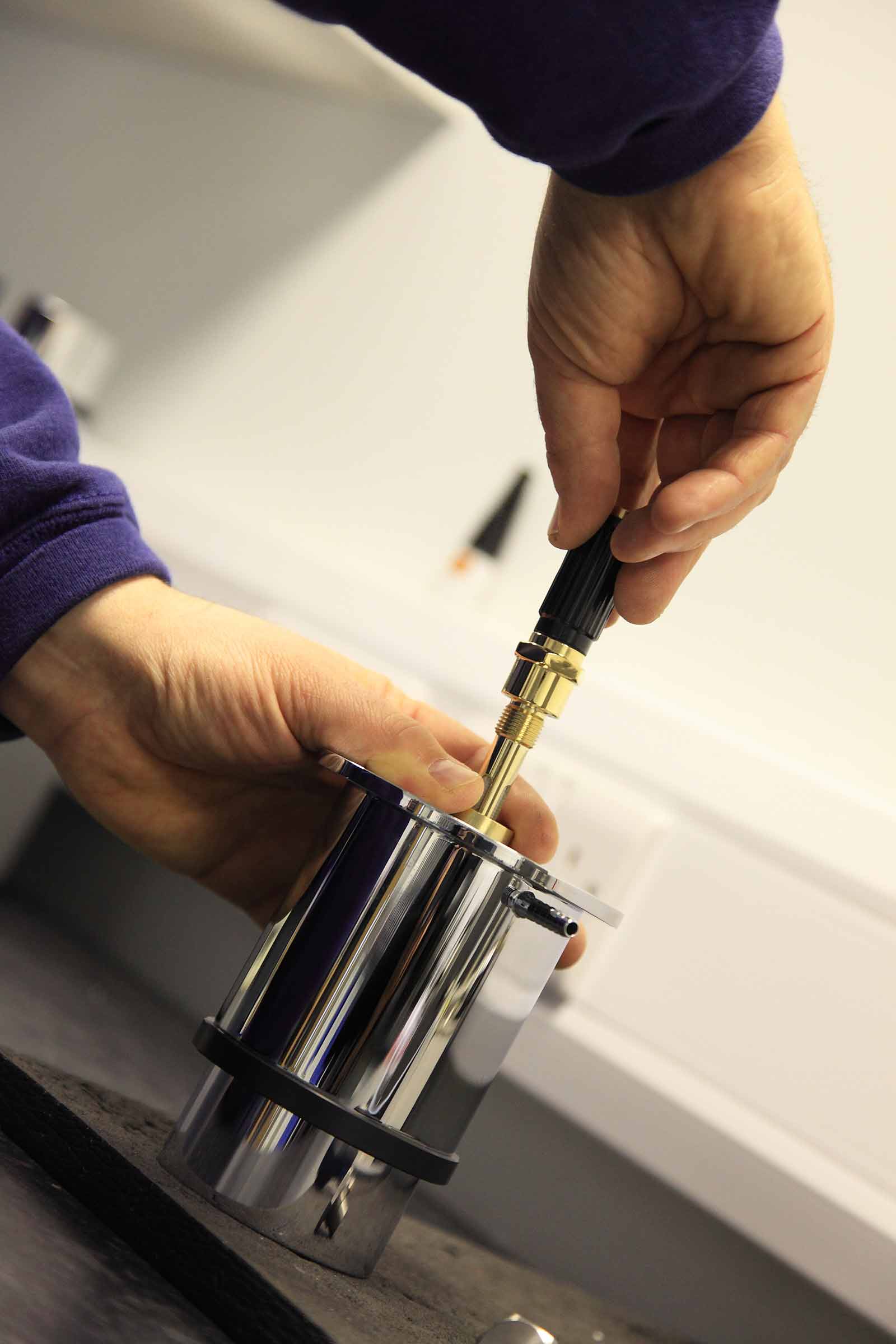
Dewpoint Sensor
Provides accurate and reliable moisture analysis from trace levels to ambient air conditions.
Dewpoint Sensor
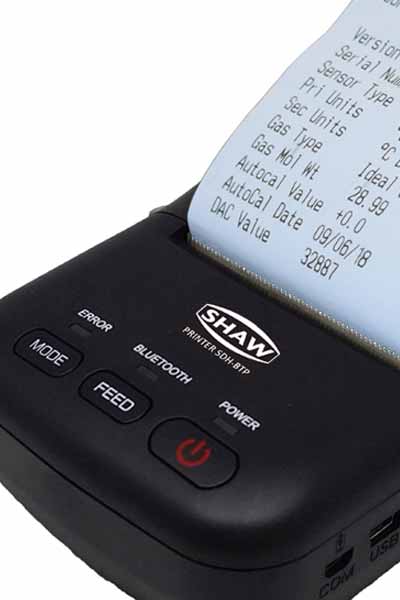
Bluetooth Printer
Slim, lightweight, long lasting battery life, fast and low temp printing (for Ex and L models)
More Information
Service & Calibration
Have your dewpoint meter serviced and calibrated by the manufacturer.
Service & Calibration