The importance of dewpoint measurement…
in LNG and LPG Bulk Carriers
What is LNG & LPG?
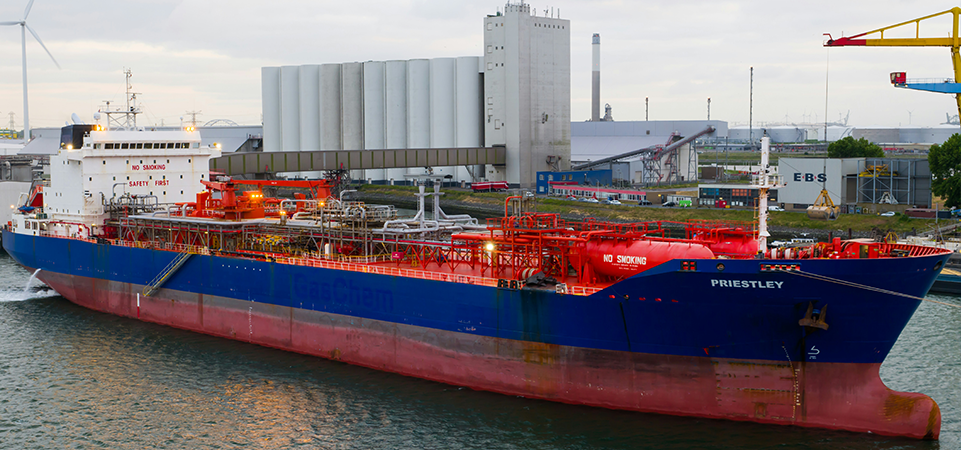
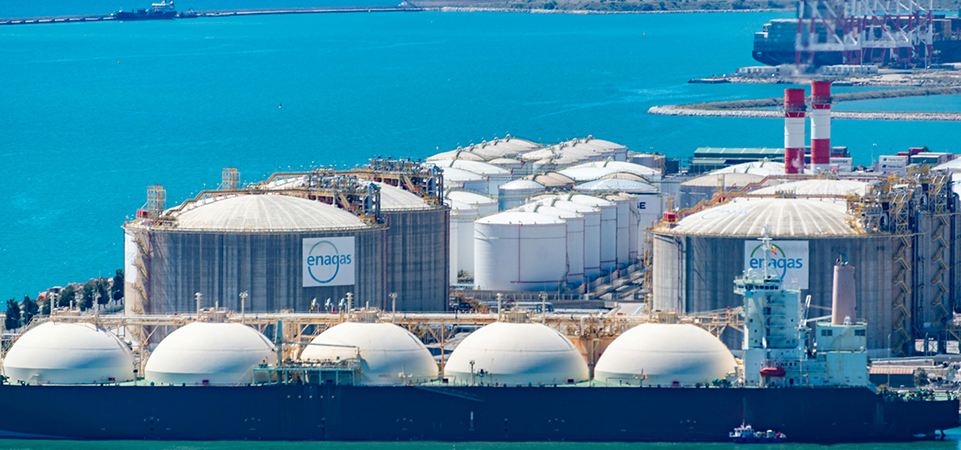
Liquefied Natural Gas (LNG) and Liquefied Petroleum Gas (LPG) are transported globally in bulk, either as cryogenic liquids or under pressure. Liquefaction enables practical and cost-effective long distance transport because the liquid occupies approximately 600 times less volume than its gaseous state.
LNG is natural gas cooled to approximately -162 °C at near-atmospheric pressure. As a result, operators transport it in cryogenic tanks aboard specialised carriers or insulated road trailers, whilst continuously maintaining strict temperature control and carefully managing boil-off gas throughout the journey.
LPG, which includes propane and butane, is transported under moderate pressure or in refrigerated conditions. Depending on the carrier type, operators store LPG in pressurised tanks, semi-refrigerated vessels or fully refrigerated carriers. For comparison, propane boils at -42 °C and butane at -0.6 °C; therefore, these temperature conditions require careful handling to prevent condensation and freezing.
Preparing Cargo Tanks: Why Dryness Matters
Before loading LNG or LPG, operators perform several preparation steps to remove moisture and ensure safe loading conditions. Each stage occurs in sequence to protect equipment integrity and maintain product quality.
Drying: First, operators remove residual water to prevent ice formation during the cooldown stage.
Inerting: Next, they replace oxygen with inert gas, typically nitrogen, to create a stable, non-explosive atmosphere within the cargo tanks.
Gassing-up: Once inerting is complete, operators displace the inert gas with cargo vapour, thereby preparing the tank for liquified gas loading.
Cool-down: Finally, they gradually lower the tank temperature to match the cargo’s carriage conditions, ensuring a smooth and stable transfer process.
Each stage of the process relies on precise moisture control and accurate dewpoint measurement. Because even trace amounts of water freeze at cryogenic temperatures therefore, operators must continuously maintain low moisture levels to prevent dangerous blockages, protect critical equipment and ensure personnel safety.
For more information on dewpoint measurement in LNG and LPG applications, contact us.
Reference Standards
- ISO 23306:2020 – LNG as marine fuel specification
- API MPMS – Manual of Petroleum Measurement Standards
- ASTM D1142 – Water vapor in natural gas
- EASEE-gas Common Business Practice 2005-001/01
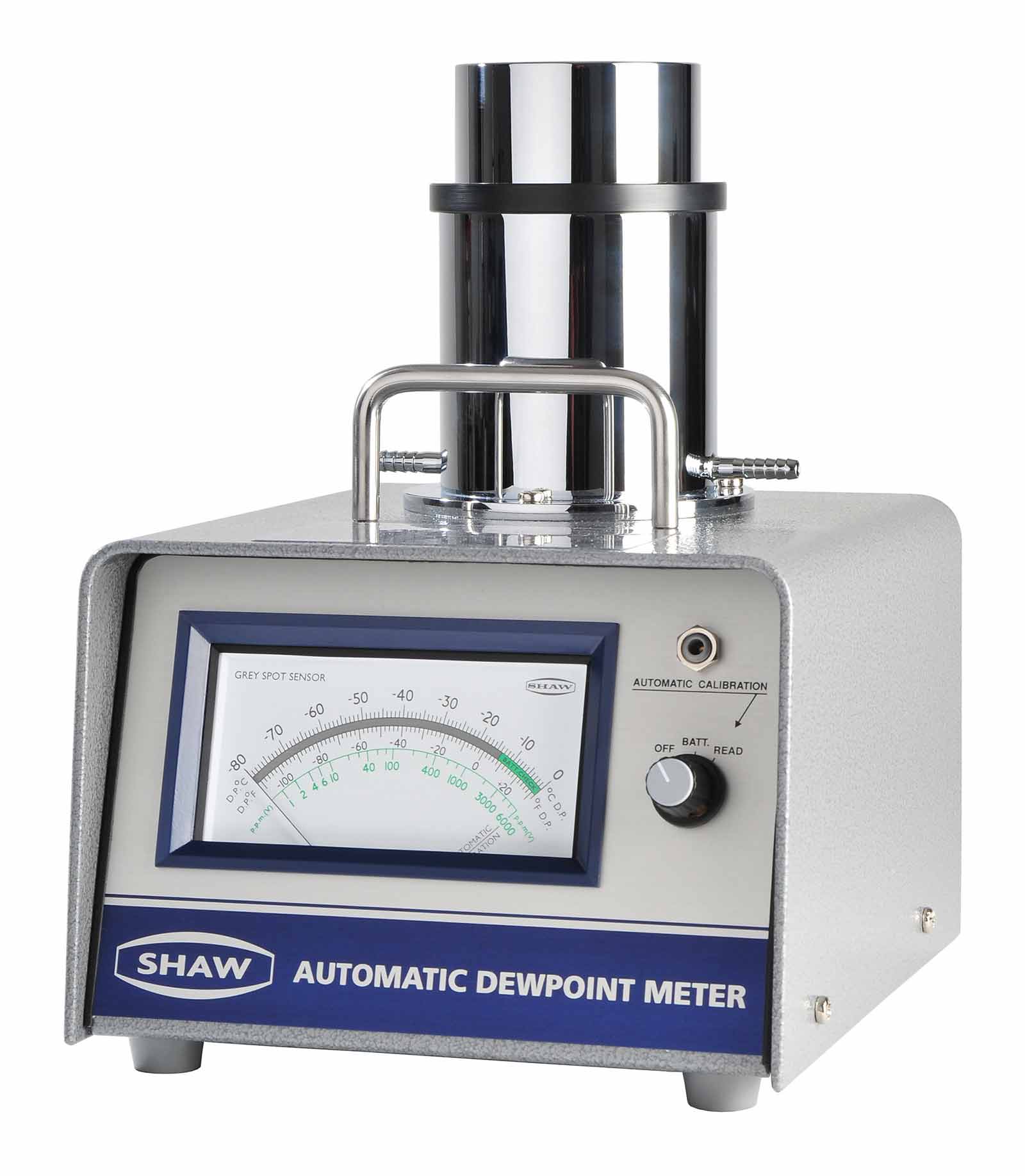
Portable Hygrometers
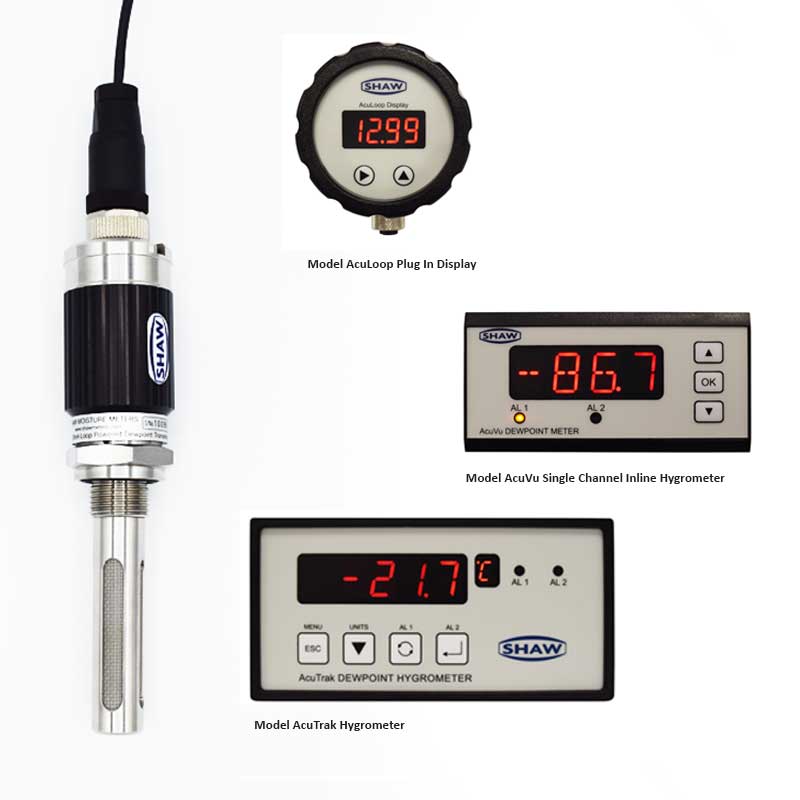
Inline Analyzers