The importance of trace moisture measurement…
in PET bottle manufacture.
What is Polyethylene Terephthalate PET ?
Polyethylene Terephthalate (PET) is a thermoplastic polymer used for beverage and food packaging, prized for its strength, clarity, and barrier properties.
However, the integrity of PET bottles depends on stringent control of resin moisture content, as even trace levels of moisture can initiate hydrolytic degradation during high-temperature processing.
PET is hygroscopic, readily absorbing moisture from ambient air. When pellets containing excess water are heated to high temperatures during melting, the moisture reacts with the polymer, breaking down its molecular structure.
This degradation reduces the polymer’s molecular weight, leading to a loss of mechanical strength and durability in the finished product.
The Impact of Trace Moisture in PET Processing
Moisture-related failures in PET processing typically manifest as brittleness from polymer breakdown, a haze or off-color from hydrolysis, and bubble formation due to vaporization during molding.
These defects not only impair aesthetics but also degrade barrier performance against oxygen and CO₂ ingress, undermining shelf life and product safety. As a result, each defect translates into increased scrap rates, reduced throughput, and elevated production costs.
To mitigate these risks, PET resin must be dried to below 50 ppm (0.005%) moisture before molding, typically using desiccant dryers. Continuous verification of these trace levels of moisture is essential throughout the manufacturing process.
Prevention and Compliance
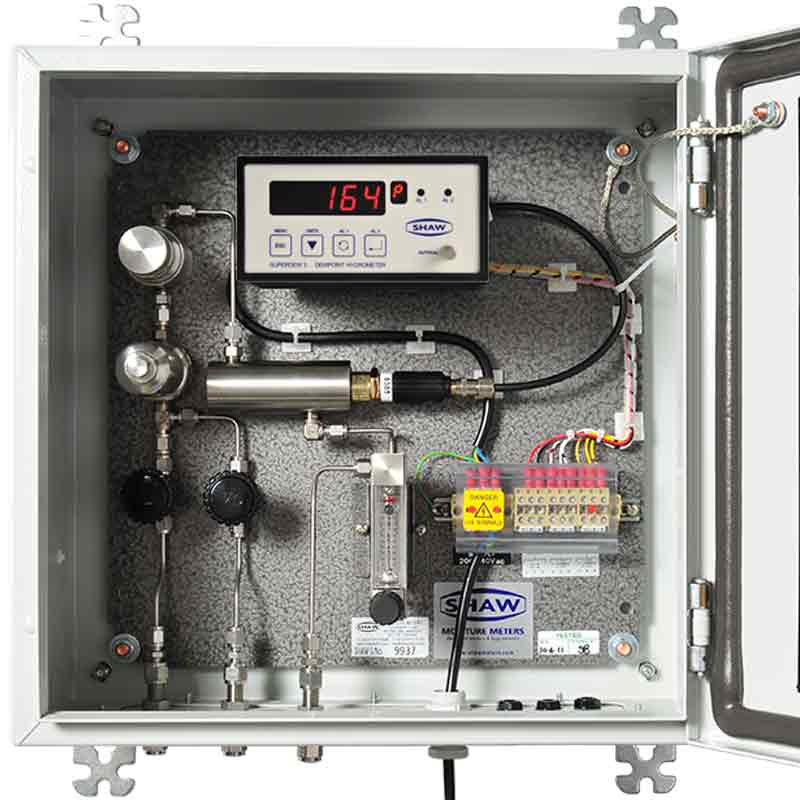
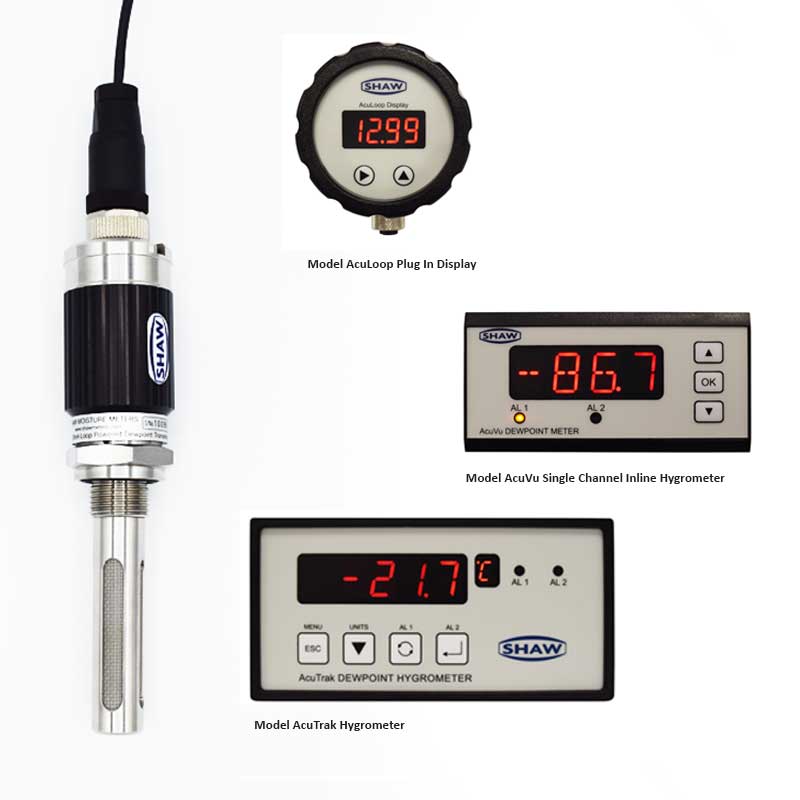
Inline capacitance sensors provide fast moisture readings at the dryer outlet and detect early signs of inefficiency. With automated process control systems, these measurements can be integrated with alarms and feedback loops to prevent wet resin from entering the extruder or injection unit.
Portable Dewpoint meters should also be deployed to verify dryer performance with routine checks.
Sensor technologies capable of detecting moisture at ppm levels deliver real-time assurance of resin quality, enabling proactive intervention before defects occur. Complementary measures include rigorous maintenance of drying systems, optimized airflow to prevent condensation, and controlled material handling to minimise ambient exposure.
Compliance with standards such as ISO 15512 for water content determination and ASTM D7191 for PET resin quality assurance provides a framework for acceptable moisture limits and validation protocols. Adhering to these guidelines ensures consistent product performance, regulatory compliance, and customer satisfaction.
For more information on trace moisture measurement in PET applications, contact the Shaw Team.
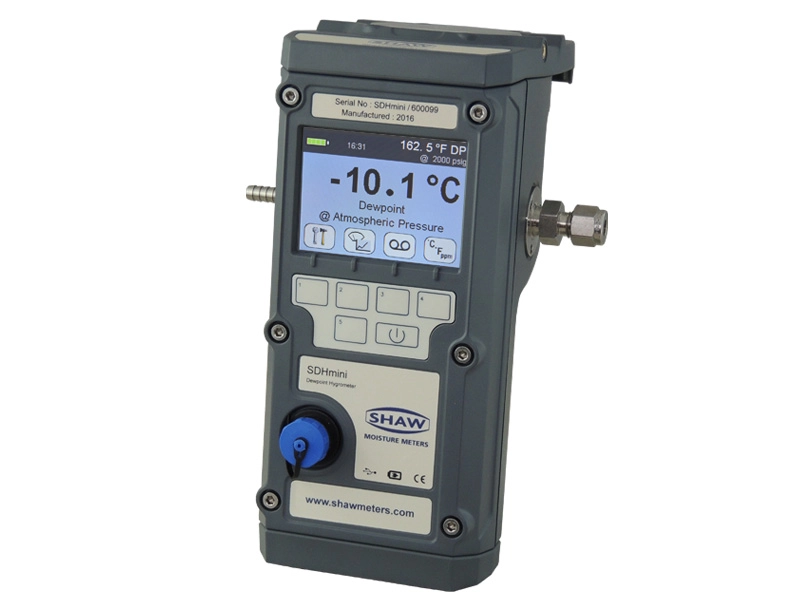
Handheld Hygrometers
Inline Analyzers