The importance of dewpoint measurement…
in Cryogenic Gas Systems
Cryogenic gas systems operate in extreme environments where minor contaminants can result in major operational consequences. Gases such as nitrogen, oxygen, argon, helium and hydrogen are routinely cooled to temperatures below –150 °C (–238 °F), allowing them to be stored and transported as liquids. While these substances exist as gases at ambient conditions, liquefaction enables large volumes to be handled efficiently in insulated cryogenic storage tanks. Once warmed or released, they return to their gaseous state.
Among all potential contaminants, trace moisture is the most critical in cryogenic gas production and storage. Water vapour present at parts per million (ppm) or parts per billion (ppb) levels can freeze, accumulate or react under cryogenic conditions. This can lead to blocked heat exchangers, hydrate formation in LNG systems, reduced product purity and premature equipment failure. In cryogenic applications, moisture control is therefore a fundamental requirement for safe and reliable operation.
Why cryogenic gases are used
Cryogenic gases are widely used because liquefaction fundamentally changes how gases can be stored, transported, and applied. When gases are cooled to extremely low temperatures, their density increases dramatically. Liquid nitrogen, for example, expands to more than 680 times its liquid volume when vaporised at ambient conditions. This reduction in volume makes cryogenic storage significantly more efficient than compressed gas storage for large‑scale applications.
These properties support a broad range of industrial uses. Liquid oxygen is essential for oxy‑fuel cutting and welding, while liquid nitrogen is commonly used for metal shrink‑fitting in precision engineering and rapid food freezing processes. In medical and scientific settings, cryogenic gases enable cryopreservation of biological materials such as cells, blood, embryos, and tissues. Liquid helium is used to cool superconducting magnets in MRI systems, and controlled cryogenic cooling underpins many laboratory applications requiring stable low‑temperature environments.
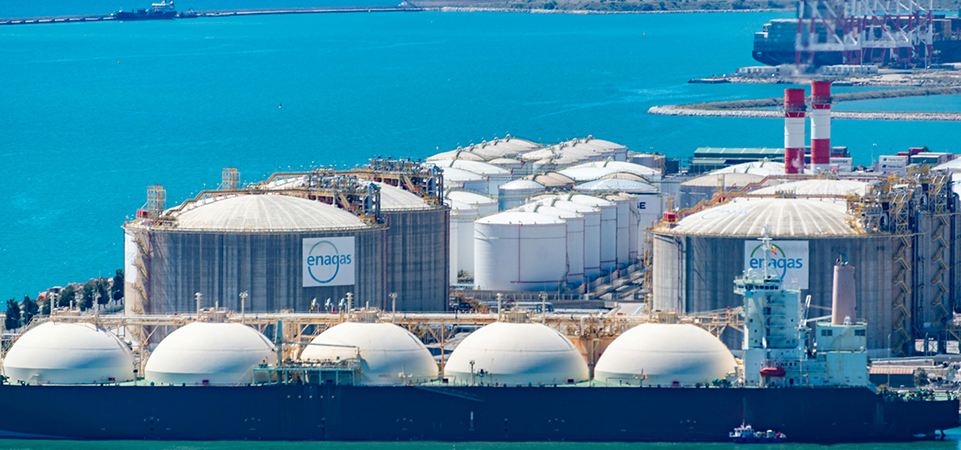
Cryogenic fluids also play a central role in energy and propulsion systems. Liquid hydrogen and liquid oxygen are used as high energy rocket propellants in space launch vehicles and upper stage engines. In the energy sector, liquefied natural gas (LNG) is widely adopted because it stores more energy in a smaller volume, burns cleaner than coal or diesel, and can be transported more safely and efficiently in liquid form.
Why moisture is a critical issue in cryogenic systems
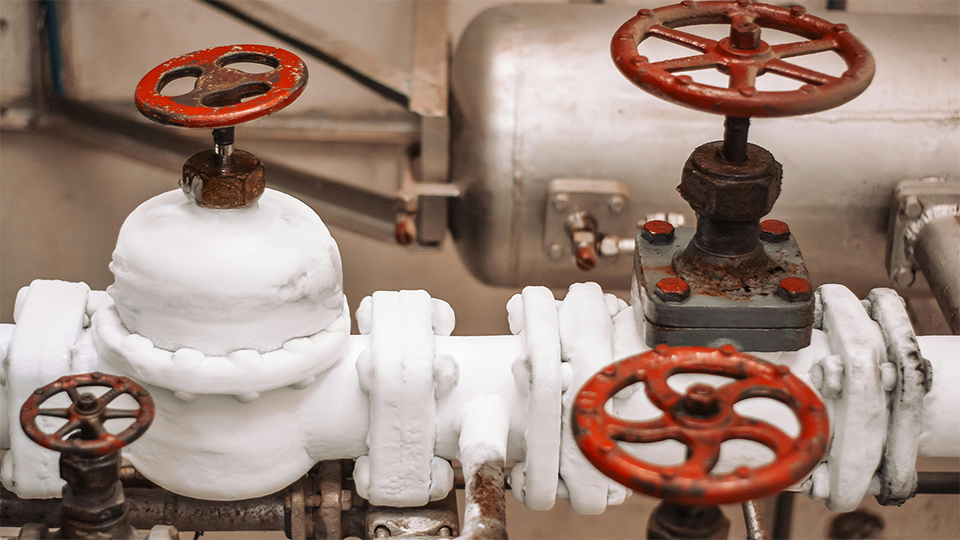
At cryogenic temperatures, moisture behaves very differently than it does in conventional gas applications. In cryogenic heat exchangers and cold boxes, water and carbon dioxide can solidify, progressively restricting flow and disrupting heat transfer. Brazed aluminium heat exchangers are particularly susceptible to freeze‑out damage. Moisture ingress most often occurs during maintenance activities or system start‑up, which is why warm, dry purging to a dew point of approximately –40 °F (–40 °C) is recommended prior to system cooldown.
In natural gas and LNG applications, trace moisture can lead to hydrate formation. Under high pressure and low temperature conditions, water combines with light hydrocarbons to form clathrate hydrates. These ice‑like solids can block pipelines, valves and transfer lines during cooldown, LNG transfer operations or following system shut‑ins.
Moisture also affects both corrosion and product quality. In hydrocarbon systems, residual water vapour can react with CO₂ or H₂S to form corrosive acids. In high purity gas production, such as nitrogen, oxygen, argon and ultra high purity speciality gases, even minimal moisture contamination can result in products falling outside required specifications.
Where to measure trace moisture in cryogenic gas systems
Accurate trace moisture measurement depends on correct measurement location and sampling conditions. Moisture must always be measured in the vapour phase and only after the cryogenic liquid has been fully vaporised. Direct measurement in cryogenic liquids is unreliable and will lead to inaccurate results.
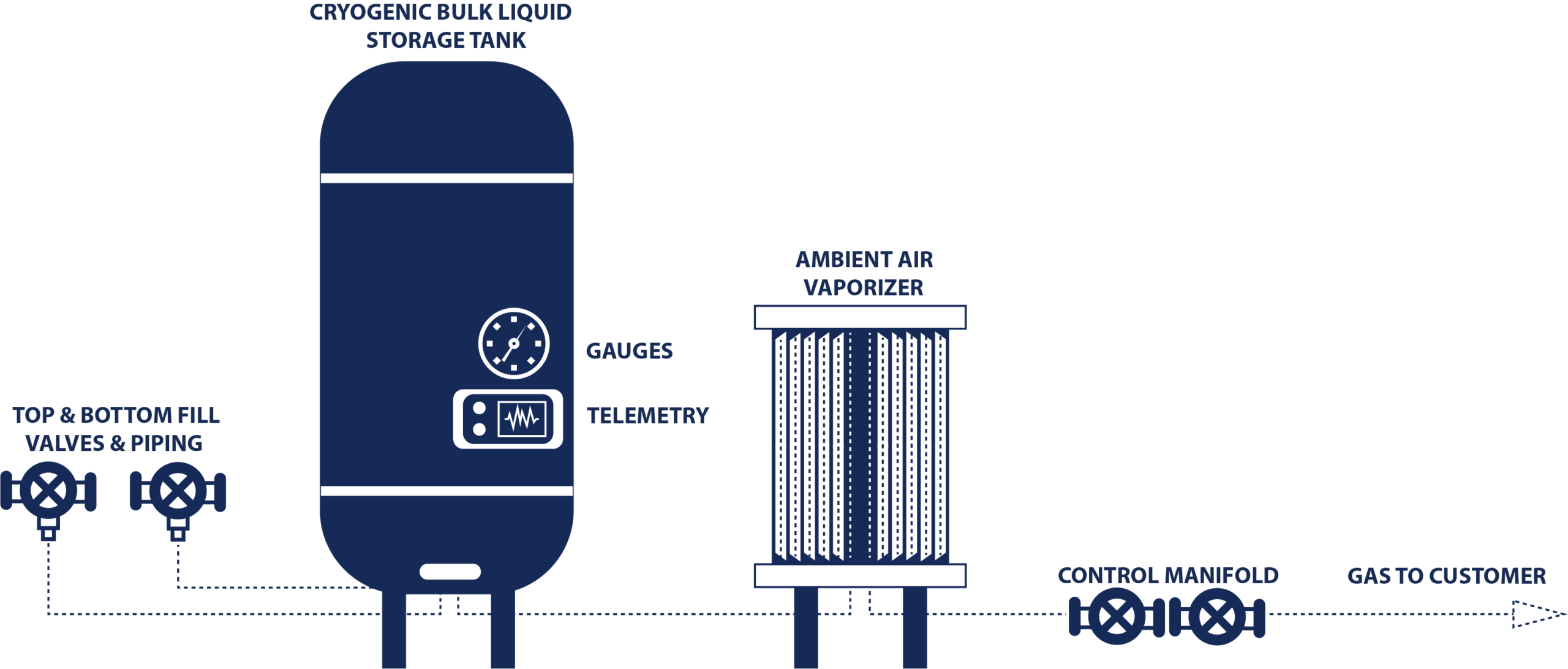
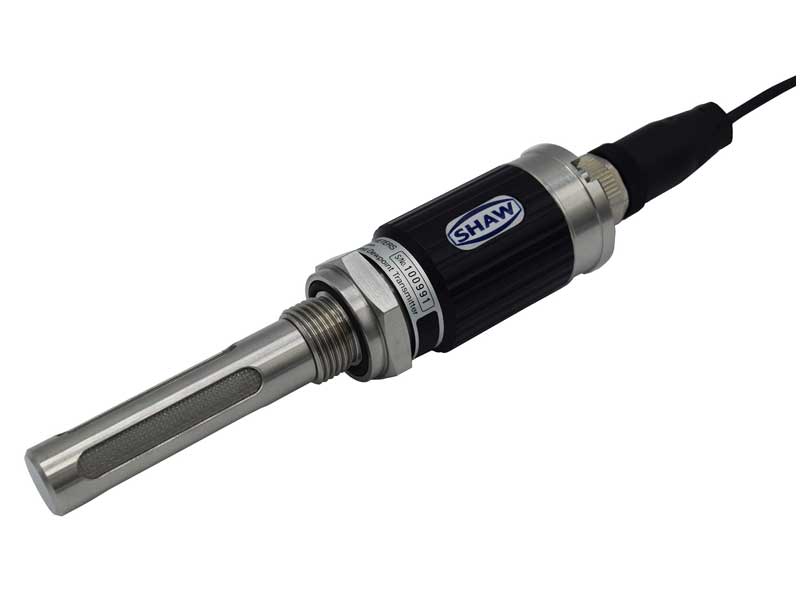
A common measurement point is downstream of the cryogenic vaporiser. Complete vaporisation is essential, as partially vaporised flow can contain ice crystals that corrupt measurements or damage sensors. Continuous monitoring at this stage is typically carried out using dew point transmitters operating at near ambient gas temperatures. Vaporisation may be achieved using ambient air vaporisers, electric vaporisers or heated sample systems.
In air separation units (ASUs), trace moisture is routinely monitored at column outlets to confirm product quality for nitrogen, oxygen and argon streams. These measurements also provide early indication of molecular sieve dryer performance and can be used to detect dryer breakthrough or failure.
At cylinder filling stations and tanker loading points, moisture levels must be verified before filling. Cryogenic cylinders and transport vessels must meet defined moisture specifications to prevent contamination of stored gas. For this reason, trace moisture measurement is typically applied prior to liquefaction and again in final metering lines.
LNG systems commonly monitor trace moisture in boil off gas (BOG) lines, where hydrate risk is highest in cold suction piping. Both portable dew point meters and fixed dew point transmitters are used downstream of LNG vaporisers in storage and send out applications. Continuous moisture measurement is also applied on fuel supply lines to engines and gas turbines, where small amounts of moisture may freeze within fuel injectors.
Hydrogen systems impose particularly stringent moisture limits. In both liquid hydrogen (LH₂) and gaseous hydrogen (GH₂) systems, trace moisture sensors are installed after vaporisers, within purification trains and upstream of PEM fuel cells, which are extremely sensitive to moisture contamination.
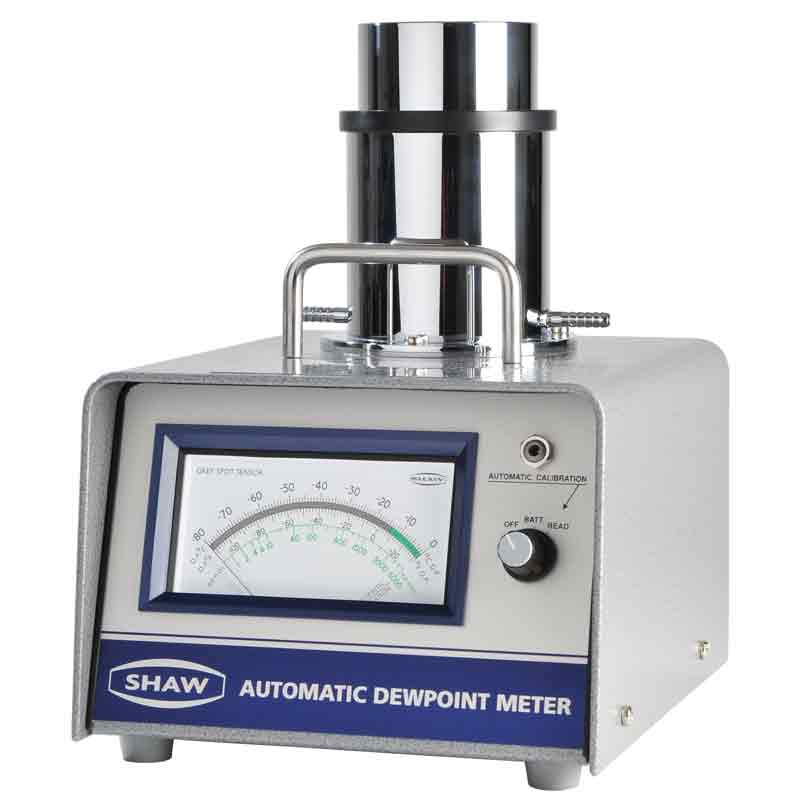
Applicable Standards
Trace moisture measurement in cryogenic and liquefied gas systems is governed by recognised international standards. ASTM methods define chilled mirror and electronic techniques for measuring water vapour in gaseous fuels. ISO standards address hydrogen fuel quality, analytical methods and gas sampling practices. API guidance covers the design and operation of refrigerated liquefied gas storage systems.
Accurate trace moisture measurement is therefore central to cryogenic gas production and storage. It protects critical assets such as brazed aluminium heat exchangers, reduces the risk of freeze‑out and hydrates and ensures consistent compliance with product quality specifications across cryogenic, LNG and hydrogen applications.
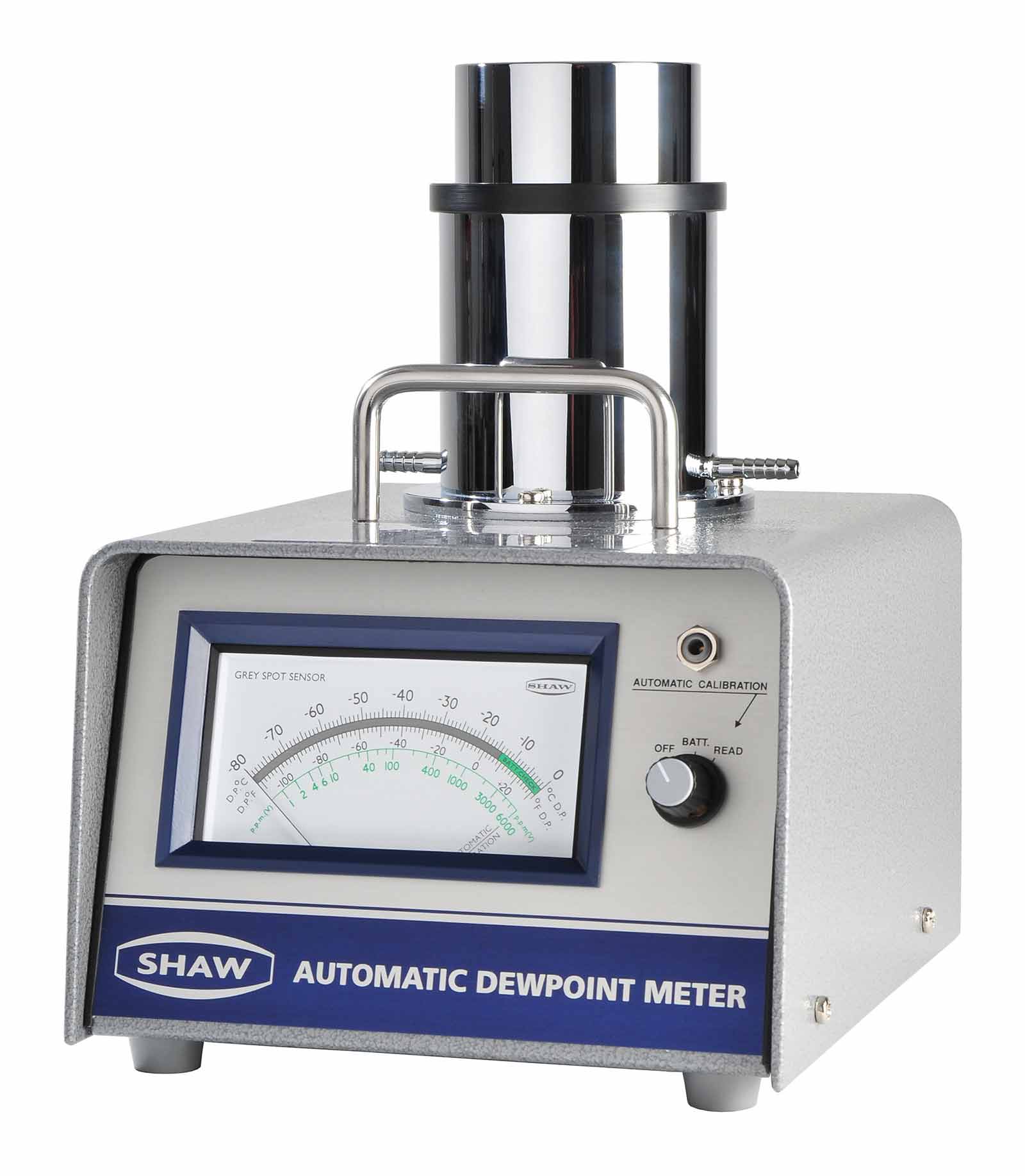
Portable Hygrometers
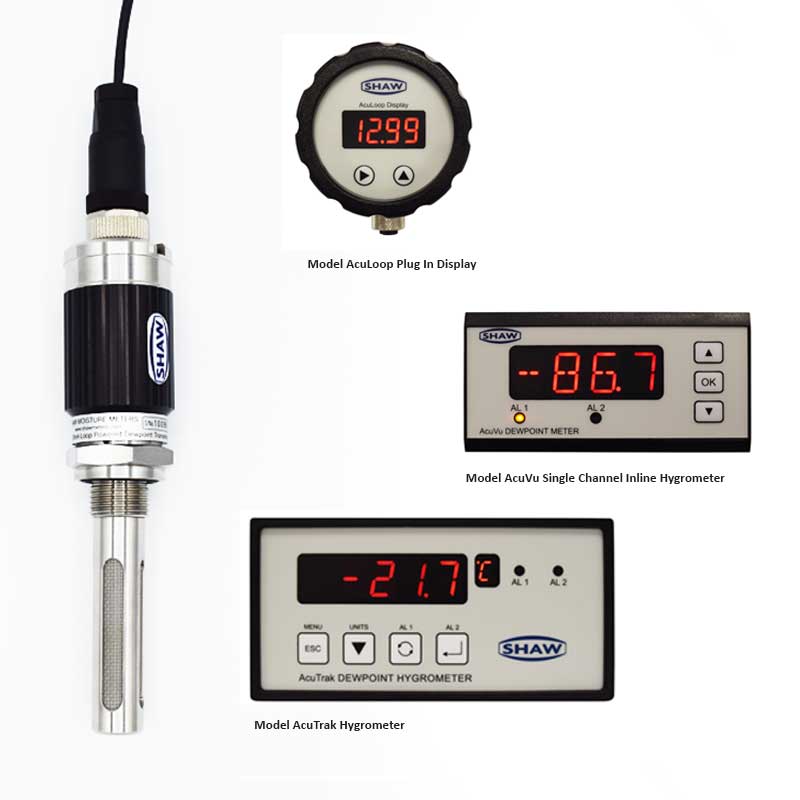
Inline Analyzers