
The Importance of Dewpoint Measurement
APPLICATION NOTE
Hydrogen cooled electricity generators are widely used in power plants due to hydrogen’s superior thermal conductivity and low density, which enables efficient cooling of large generators. Trace moisture measurement within these systems is critical. This application note highlights the importance of dewpoint measurement, outlines common moisture related issues, presents solutions and references key standards.
What Are Hydrogen Cooled Electricity Generators?
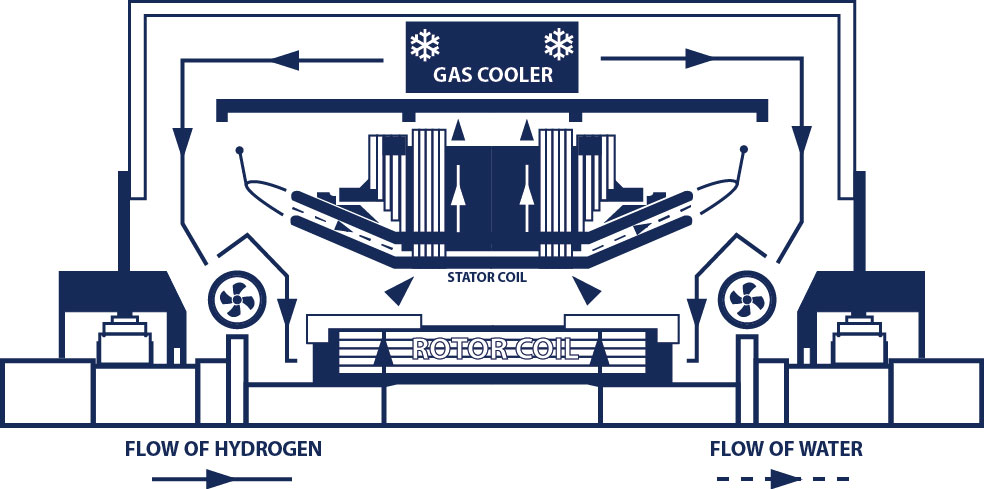
Hydrogen is used to cool the bearings and other rotating parts of large stationary electric generators. Hydrogen has a high thermal conductivity (more efficient than dry air for removing heat), which provides very efficient heat transfer from the generator. Hydrogen also has the lowest atomic weight of any known gas, which keeps wind resistance losses within generators to a minimum.
Hydrogen cooled generators use hydrogen gas as the primary cooling medium. The main advantages include:
• High thermal conductivity: Hydrogen removes heat more efficiently than air or other gases.
• Low density: Reduces windage losses, improving generator efficiency.
• Non-corrosive and non-toxic: When managed properly, hydrogen is safe and does not corrode generator components.
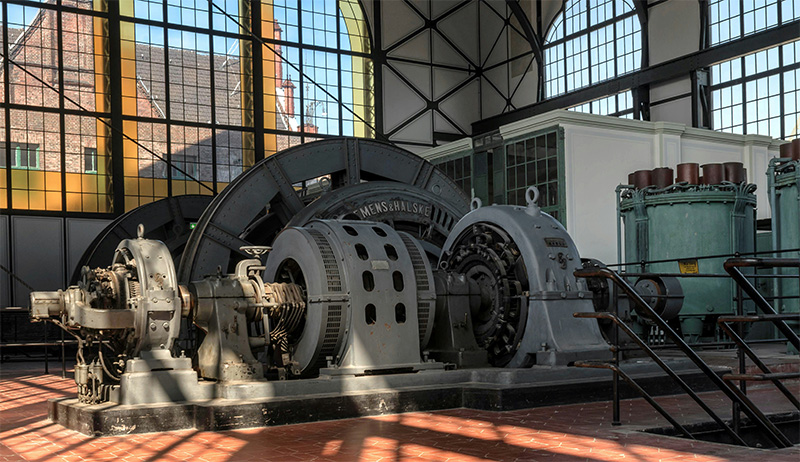
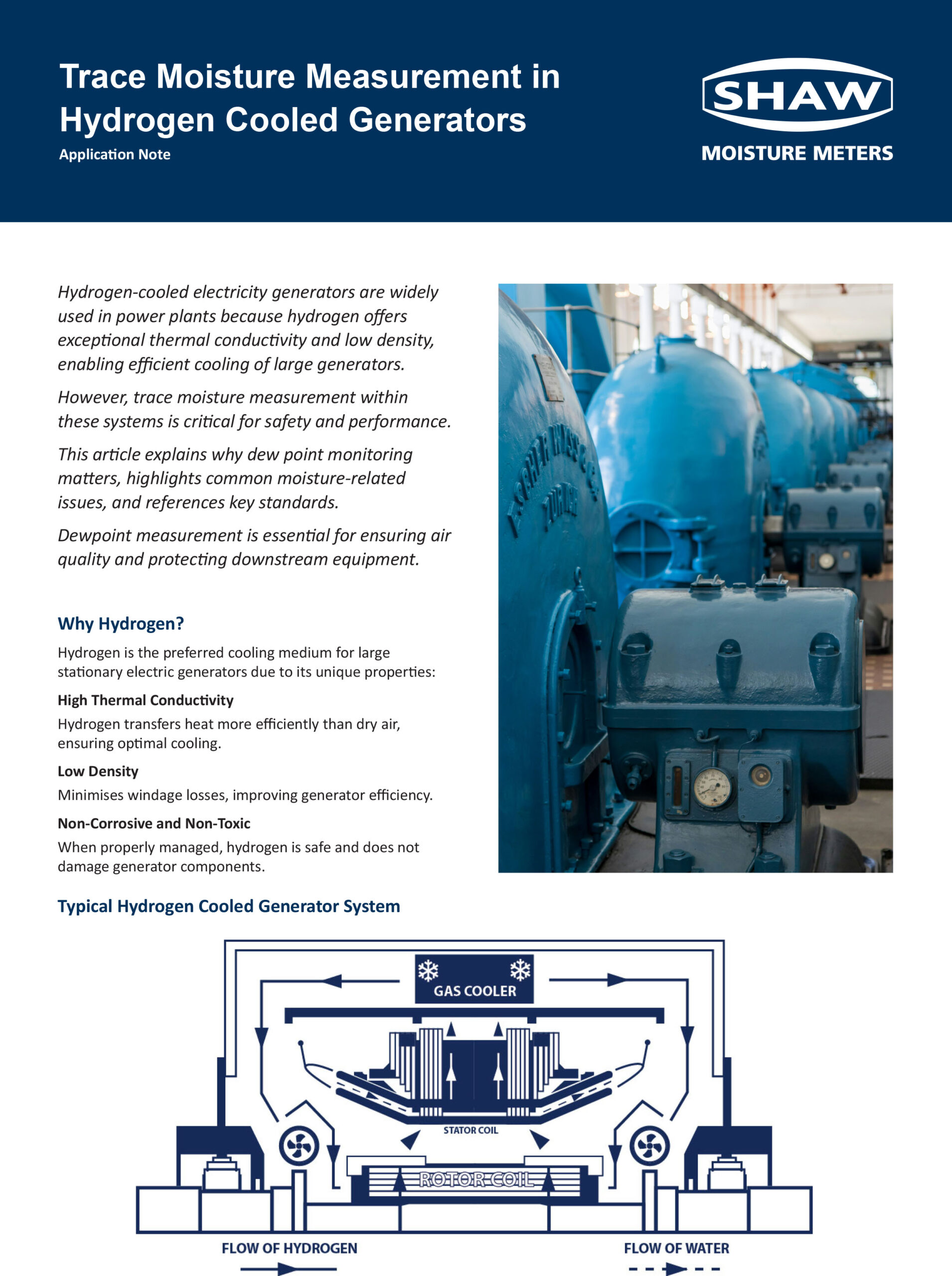
Typical Hydrogen Cooled Generator System
Moisture Problems in Hydrogen Cooled Generators
Moisture ingress into the hydrogen cooling system can cause several critical issues:
- Reduced insulation resistance: Water vapour can condense on windings, lowering insulation and increasing the risk of electrical faults.
- Corrosion: Moisture promotes corrosion of metallic components, leading to premature failure.
- Hydrogen purity reduction: Water vapour dilutes hydrogen, decreasing cooling efficiency and increasing the risk of explosive mixtures.
- Safety hazards: High moisture levels can lead to the formation of explosive hydrogen-oxygen mixtures.
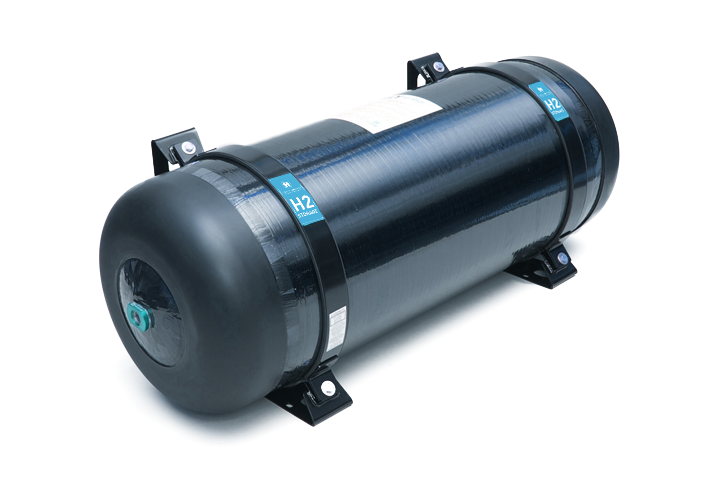
Solutions for Dewpoint Measurement in Hydrogen Cooled Generators
Continuous dewpoint monitoring is essential for maintaining generator safety and performance. Key solutions include the following:
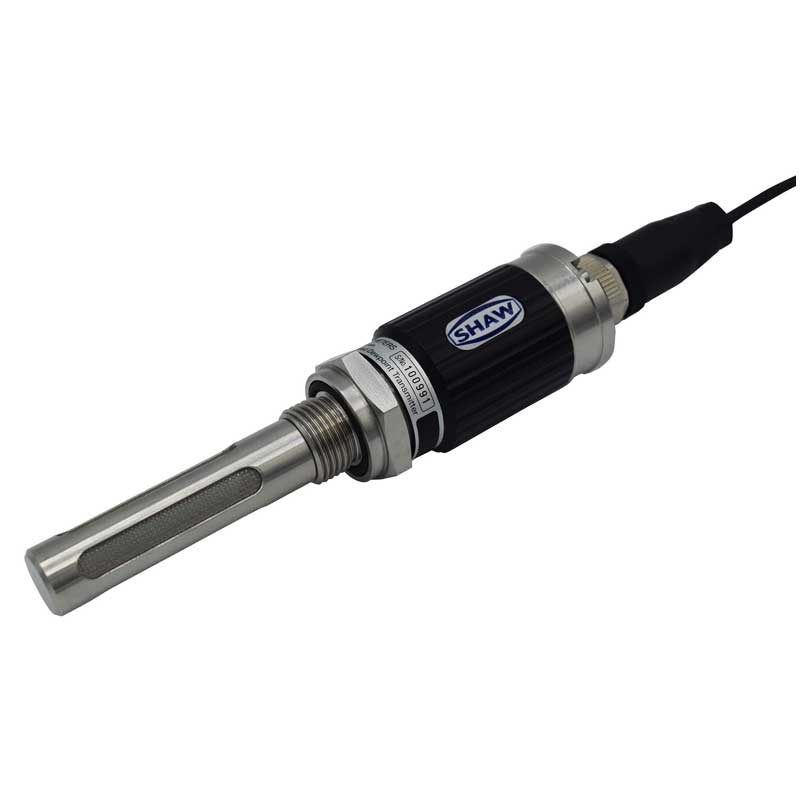
- Inline dewpoint sensors are used not only to monitor the operation of the drying system, thereby improving efficiency and helping reduce energy consumption, but also monitor the status of the hydrogen gas as it exits the generator housing.
- Control systems using the dewpoint measurement are used to trigger alarms or initiate purging when moisture exceeds safe limits.
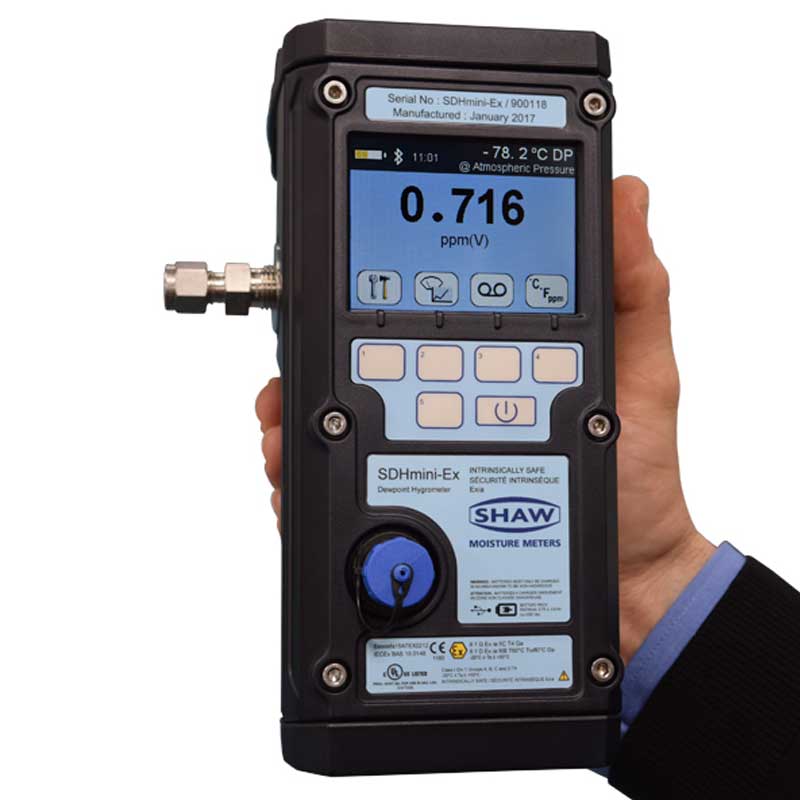
- Portable dewpoint meters can be used to check various sample points including the hydrogen inlet and outlet, sample lines from the generator casing and downstream of the hydrogen dryers.
Dewpoint measurement is a vital aspect of operating hydrogen cooled electricity generators. By maintaining low moisture levels, operators can ensure safe, efficient and reliable generator performance whilst minimising risks of insulation failure, corrosion and safety hazards. Implementing robust dewpoint monitoring and measurement strategies is essential for modern power generation facilities.
References to Applicable Standards
For best practices and compliance, refer to the following standards:
- IEEE Std C50.13: Requirements for hydrogen cooled synchronous generators.
- IEC 60034-3: Rotating electrical machines, Part 3: Specific requirements for hydrogen cooled synchronous machines.
- ASTM D5454: A standard test method for water vapour content in gases.
Further Information
Recommended Products
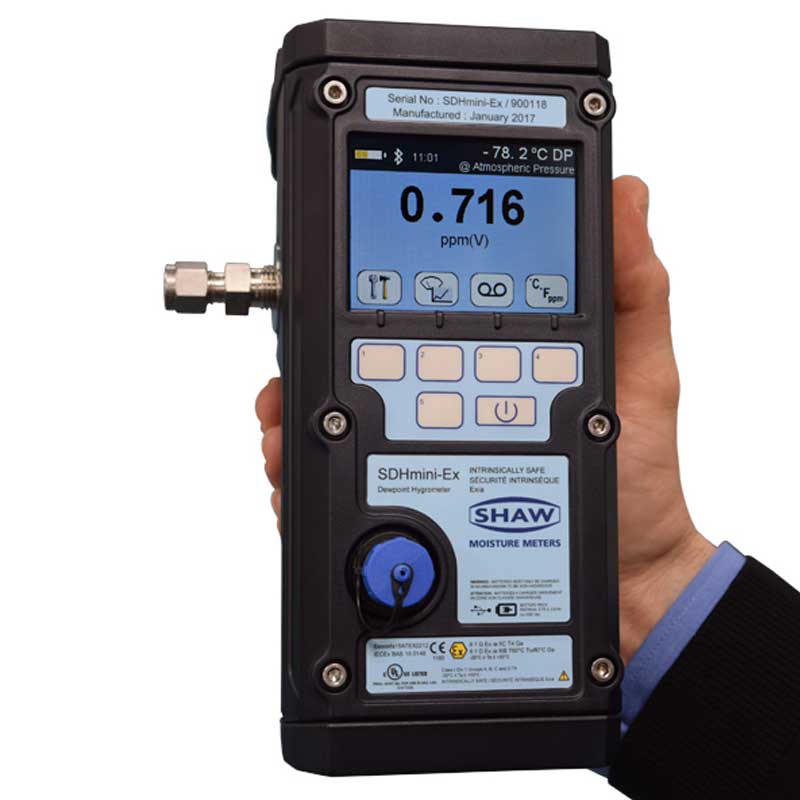
Hand Held Hygrometers
Incorporating AutoCal, desiccant dry-down assembly and advanced features.
More Information
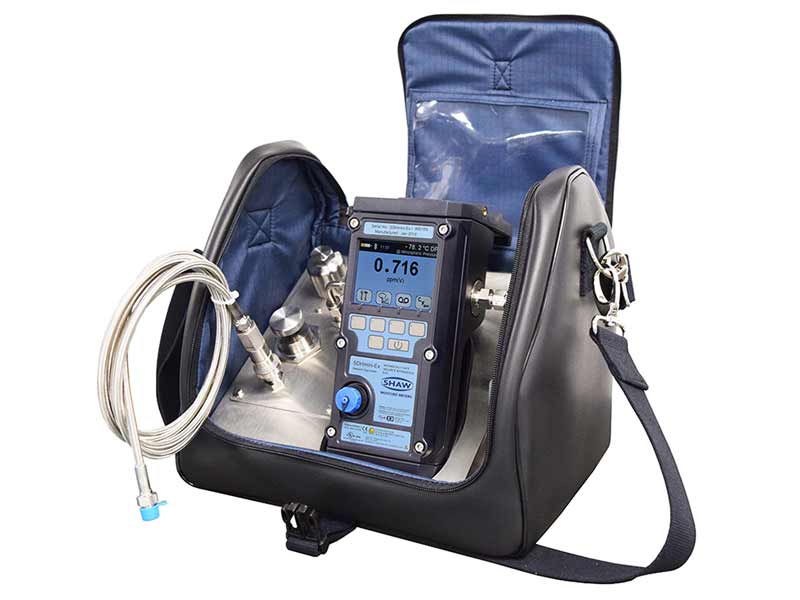
Portable Sample System
Built from high quality components for long term performance and reliability.
More Information
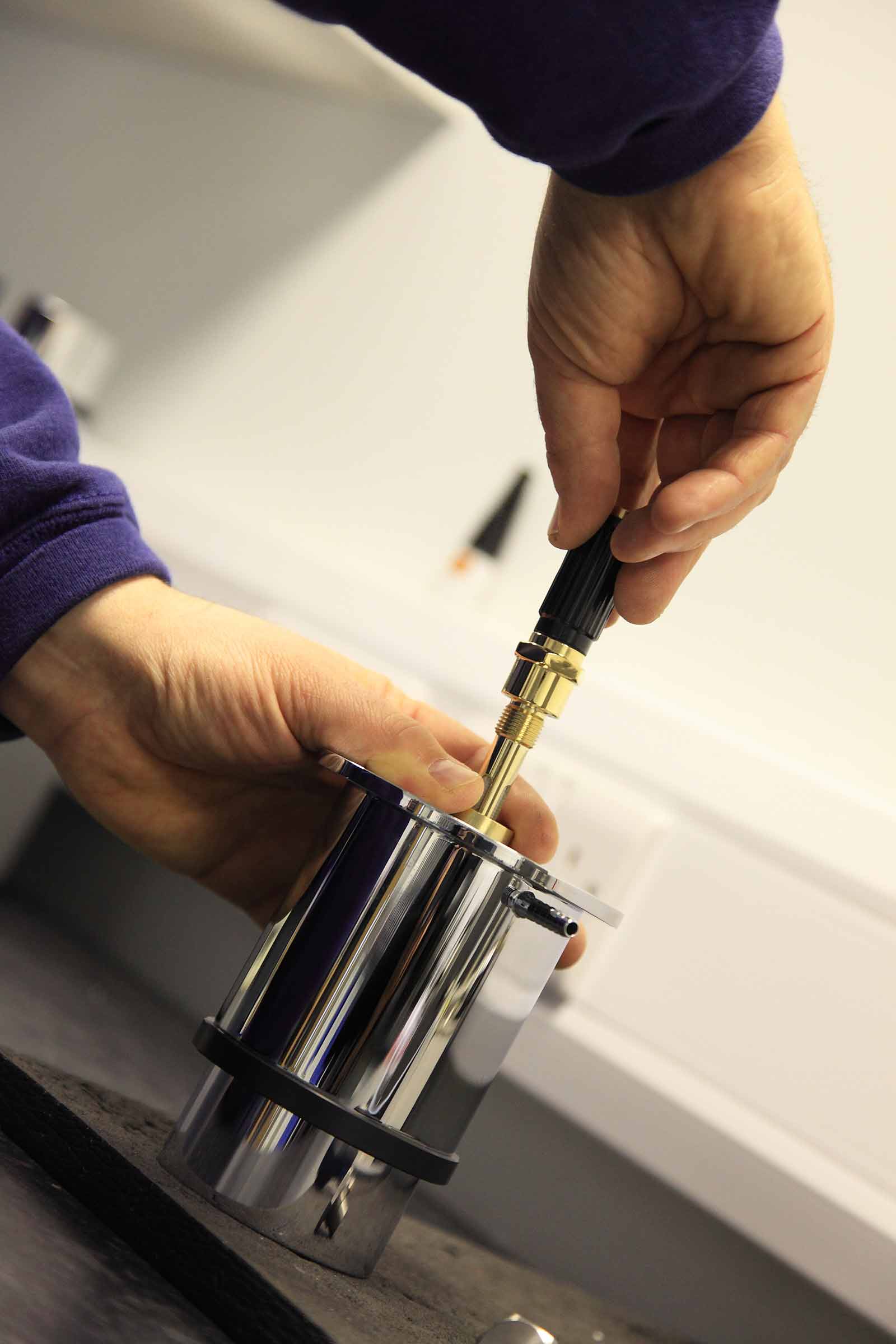
Dewpoint Sensor
Provides accurate and reliable moisture analysis from trace levels to ambient air conditions.
Dewpoint Sensor
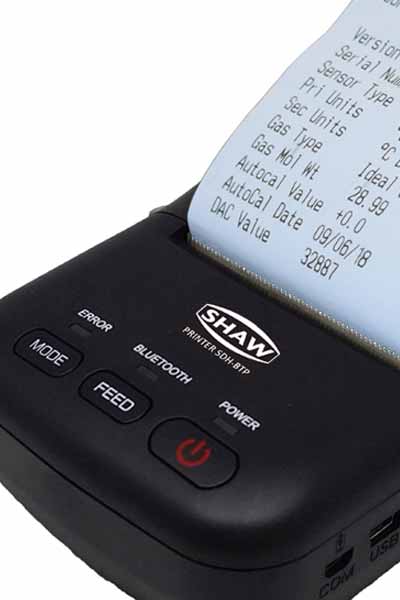
Bluetooth Printer
Slim, lightweight, long lasting battery life, fast and low temp printing (for Ex and L models)
More Information

Service & Calibration
Have your dewpoint meter serviced and calibrated by the manufacturer.
Service & Calibration